
9 Feb 2026
- 12 Comments
When your skin itches, turns red, or flakes in a circular pattern, it’s easy to blame allergies or dryness. But if you’ve had this happen more than once - especially in warm, damp areas like your feet, groin, or under your breasts - you might be dealing with a fungal skin infection. These aren’t rare or unusual. In fact, about 1 in 5 people worldwide has one at any given time. Two of the most common culprits? Candida and a group of fungi called dermatophytes that cause ringworm (tinea). And while they sound similar, they behave very differently - and so do the treatments.
What’s Really Causing Your Skin Issue?
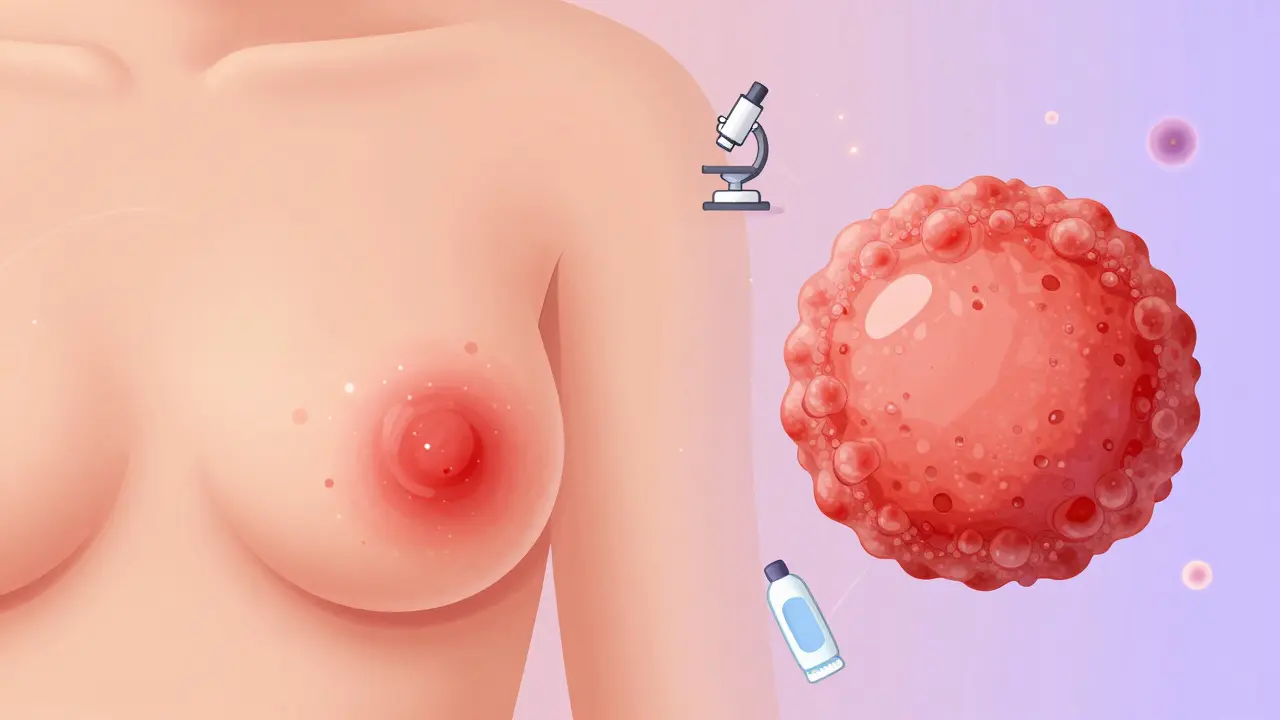
Not all fungal infections are the same. The two biggest types you’ll encounter are candidiasis and dermatophytosis. Candida is a yeast. It lives on your skin naturally, but when conditions get warm and moist - think sweaty workout clothes, tight underwear, or a baby’s diaper - it can overgrow. That’s when you get a beefy red rash with sharp borders and tiny pus-filled bumps around the edges. It often shows up in skin folds: armpits, under the breasts, between toes, or in the groin. In infants, it’s classic diaper rash that doesn’t clear with zinc oxide alone.
Ringworm, on the other hand, has nothing to do with worms. The name comes from the old-fashioned belief that these round, scaly patches were caused by worms under the skin. Today, we know it’s caused by dermatophyte fungi - mostly Trichophyton genus, which makes up 80-90% of cases. These fungi feed on keratin, the protein in skin, hair, and nails. That’s why they stick to places like the scalp (tinea capitis), feet (tinea pedis or athlete’s foot), groin (tinea cruris), and nails (tinea unguium). The classic sign? A red, raised ring that slowly expands outward while the center clears up. It’s contagious, often spread by shared towels, gym equipment, or pets like cats and dogs.
How Do You Know Which One You Have?
Doctors don’t always guess right. A 2022 study found that primary care providers correctly identify ringworm only about half the time. Many mistake it for eczema, psoriasis, or even a bacterial infection. That’s why testing matters - especially if it’s not clearing up.
The simplest test is a KOH prep (potassium hydroxide preparation). A doctor scrapes a bit of skin or nail, mixes it with KOH solution, and looks under a microscope. If you’ve got fungi, you’ll see thread-like hyphae (for ringworm) or budding yeast cells (for Candida). This gives results in minutes. If it’s still unclear, a fungal culture can be sent off - but it takes 2 to 4 weeks to grow. Newer tests using PCR (molecular detection) are becoming more common and can identify the exact species in just a day or two.
Here’s how they look side by side:
| Feature | Candida Infection | Ringworm (Tinea) |
|---|---|---|
| Appearance | Beefy red, moist, with satellite pustules | Round, scaly, raised border with clear center |
| Location | Skin folds, groin, under breasts, diaper area | Body, scalp, feet, nails, groin |
| Itchiness | Moderate to severe | Usually mild to moderate |
| Contagious? | Low (unless immune-compromised) | High (person-to-person or animal contact) |
| Common in kids? | Yes (diaper rash) | Yes (scalp and body infections) |
| Diagnosis method | KOH shows yeast cells | KOH shows branching hyphae |
What Treatments Actually Work?
Over-the-counter creams work - but only if you pick the right one. For Candida, topical azoles like clotrimazole (Lotrimin) or miconazole are first-line. Nystatin is also common, especially for babies. Most people see improvement in 3-5 days. If it’s persistent, or involves mucous membranes like the mouth or vagina, you’ll need oral fluconazole - a single dose often does the trick.
For ringworm, the choice is between allylamines (terbinafine) and azoles (clotrimazole). Terbinafine (Lamisil) kills fungi faster. Studies show it cures tinea corporis in 70-90% of cases with just 1-2 weeks of twice-daily use. Clotrimazole takes longer - 2-4 weeks - but still works well. For athlete’s foot or ringworm on the scalp, you’ll often need oral medication. Terbinafine taken daily for 2-6 weeks clears nail infections in 80-90% of people. But here’s the catch: you have to finish the full course. A 2022 JAMA Dermatology study found only 45% of people completed their topical treatment. That’s why infections come back.
And yes - some fungi are fighting back. In North America, about 5-7% of Trichophyton rubrum strains are becoming less responsive to terbinafine. That’s why doctors are watching closely. For stubborn cases, newer drugs like ibrexafungerp (Brexafemme) are now approved for recurrent vaginal candidiasis. It’s not yet used for skin, but it signals a shift: we’re running out of old options.

Who’s at Higher Risk?
You don’t need to be sick to get a fungal infection - but some things make it easier:
- Diabetes: High sugar levels in sweat and skin create a perfect breeding ground. People with diabetes are 2.5 times more likely to get fungal skin infections.
- Immunosuppression: Whether from HIV, chemotherapy, or long-term steroids, a weak immune system means fungi can spread more easily.
- Hot, humid climates: Melbourne’s damp winters and sweaty summers? That’s prime time for tinea pedis and Candida.
- Sharing items: Towels, shoes, gym mats, even pet bedding can spread dermatophytes. Kids get tinea capitis from cats more often than you’d think.
- Obesity: Extra skin folds trap moisture - that’s why Candida rashes often appear under the belly or breasts.
And don’t ignore pets. If your dog or cat has patchy hair loss, it could be ringworm. You can catch it - and your pet needs treatment too.
Why Do These Infections Keep Coming Back?
Recurrent infections are frustrating. About 35% of people who’ve had a fungal skin infection get it again within a year. Why?
- Stopping treatment early: You feel better after 3 days, so you stop. But the fungus is still hiding.
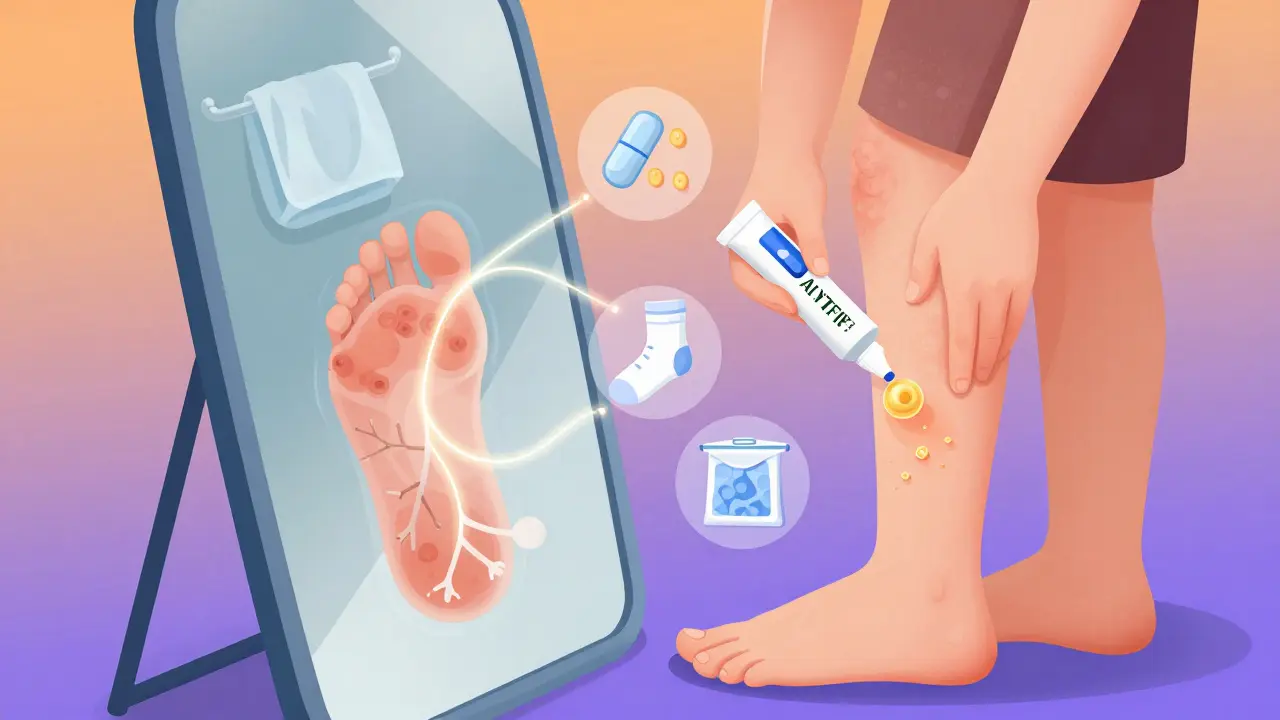
- Not treating the source: If your socks are contaminated, your feet will re-infect every time you put them on.
- Underlying health issues: Uncontrolled diabetes or immune problems keep the door open.
- Wrong diagnosis: If it was mislabeled as eczema and treated with steroid cream, the fungus grew stronger.
One surprising tip from Reddit users: 65% of people with recurrent Candida infections said probiotics helped. Specifically, oral or vaginal Lactobacillus strains reduced recurrence. It’s not a cure, but it might help your body rebalance.
What to Do If It Doesn’t Clear Up
If your rash hasn’t improved after 2 weeks of OTC treatment - or if it’s spreading, painful, or oozing - see a dermatologist. Don’t keep reapplying the same cream. You might need:
- A KOH test to confirm the diagnosis
- Oral antifungals (terbinafine, fluconazole)
- A culture to check for resistant strains
- Testing for diabetes or immune issues if infections keep coming back
Also, avoid steroid creams unless prescribed. They may reduce redness and itching temporarily, but they let the fungus thrive. That’s a common mistake.
Prevention: Simple Steps That Make a Difference
You can’t always avoid fungi - but you can make your skin less inviting:
- Dry thoroughly after showers - especially between toes, under breasts, and in the groin.
- Wear moisture-wicking underwear and socks. Cotton is good, but synthetic blends with moisture control are better.
- Don’t walk barefoot in locker rooms or public showers. Flip-flops help.
- Wash towels and bed sheets in hot water weekly.
- If your pet has bald spots, get them checked.
- Change out of sweaty clothes within 30 minutes of working out.
And if you’ve had one infection? Be extra careful. Your skin might be more prone to future outbreaks.
Can fungal skin infections spread to other parts of the body?
Yes. If you scratch an infected area and then touch another part of your skin, you can transfer the fungus. That’s why it’s common to have athlete’s foot and then develop jock itch. Always wash your hands after touching the rash, and don’t share towels or clothing.
Are over-the-counter antifungal creams safe for long-term use?
Most are safe for 2-4 weeks as directed. But using them longer without medical advice can mask other conditions like psoriasis or eczema. If symptoms persist beyond 4 weeks, see a doctor. Long-term use of azoles (like clotrimazole) isn’t linked to serious side effects, but it’s not meant to be a permanent fix.
Can you get fungal skin infections from pets?
Absolutely. Cats and dogs - especially puppies and kittens - can carry dermatophytes without showing obvious signs. If your pet has flaky skin, hair loss, or scabs, and you develop a circular rash after contact, ringworm is likely. Both you and your pet need treatment.
Is there a connection between fungal infections and antibiotics?
Yes. Antibiotics kill off good bacteria that normally keep fungi in check. That’s why women often get yeast infections after taking antibiotics. It’s less common for skin infections, but it can happen - especially in people with diabetes or weakened immunity.
Do natural remedies like tea tree oil work?
Some studies show tea tree oil has antifungal properties, but it’s not strong enough to treat established infections on its own. It might help as a complement to proven antifungals, but don’t rely on it. Delaying proper treatment can make things worse.
What’s Next for Fungal Infections?
The fight against fungal skin infections is changing. Drug resistance is rising, and new treatments are slow to come. But research is picking up. The NIH spent $32 million in 2023 just to study the skin’s fungal microbiome - how these organisms live alongside bacteria and what happens when the balance breaks. New drugs like olorofim are in late-stage trials. And public health agencies are finally treating fungal infections as serious threats, not just annoyances.
For now, the best defense is awareness. Know the signs. Don’t ignore recurring rashes. Finish your treatment. And if it doesn’t clear up - don’t guess. See someone who knows.
Camille Hall
February 10, 2026As someone who’s dealt with recurrent Candida rashes under my breasts, I can’t stress enough how important it is to dry off thoroughly after showers. I used to just pat dry and call it good - until I started using a hair dryer on cool setting. Game changer. Also, cotton underwear isn’t enough - I switched to moisture-wicking bamboo blends and haven’t had a flare-up in over a year. Don’t underestimate the power of airflow.
Ritteka Goyal
February 11, 2026OMG I JUST HAD THIS ISSUE LAST MONTH AND I THOUGHT IT WAS ECTZIMA 😭 I WAS USING STEROID CREAMS AND IT GOT WORSE AND WORSE AND THEN MY SISTER SAID 'HONEY DID YOU CHECK FOR FUNGUS' AND I WAS LIKE WHAT EVEN IS THAT?? I WENT TO THE DOCTOR AND IT WAS RINGWORM FROM MY CAT 😭 SHE HAD A BALD SPOT AND I DIDN'T THINK IT WAS A BIG DEAL. NOW I CLEAN HER BEDDING WEEKLY AND I USE TERBINAFINE AND IT'S GONE. THANK YOU FOR THIS POST I FEEL SO MUCH LESS STUPID NOW.
Frank Baumann
February 11, 2026Okay, I’m gonna say this loud so the whole internet hears it - OTC antifungals are NOT a magic fix. I had a groin rash for 11 months. Tried every cream under the sun. Clotrimazole? Miconazole? Nystatin? Nothing. I finally went to a dermatologist who did a KOH prep and said, 'Oh, this is tinea cruris, but it’s resistant.' Turns out, I’d been using the wrong cream for a year and it mutated. They put me on oral terbinafine for six weeks. Paid $12 out of pocket with insurance. Cured. If you’ve been treating this for over 3 weeks and it’s not better? You’re not lazy. You’re just being misled by the internet. Go see a professional. Stop self-diagnosing.
Ken Cooper
February 12, 2026So I’ve been reading this whole thing and I’m kinda blown away - I didn’t know Candida could be in skin folds like that. I always thought it was just vaginal yeast. But now I remember my mom had this weird red patch under her belly that never went away - she called it 'heat rash' and rubbed cortisone on it for years. Last year she got diagnosed with type 2 diabetes. Coincidence? I don’t think so. Also, probiotics? I started taking Lactobacillus after antibiotics last winter and my eczema improved. Maybe it’s not placebo. Maybe our skin’s microbiome is way more complex than we thought. Anyway, this post is gold. Thank you.
MANI V
February 12, 2026This is why people in the West are so weak. In India, we’ve been treating fungal infections with neem oil, turmeric paste, and keeping dry for centuries. You don’t need fancy PCR tests or oral terbinafine. You need discipline. No synthetic underwear. No gym socks worn twice. No sharing towels. No eating sugar. And if you can’t control your sweat? Then maybe you need to stop being so lazy. We don’t have this problem in rural India because we don’t live in air-conditioned boxes and wear polyester. Modern life is making us sick. Simple solution: go back to basics.
Random Guy
February 12, 2026So let me get this straight - we’re paying $200 for a PCR test to tell us if we have fungus… and the cure is a $10 cream we’ve had since 1987? I’m starting to think Big Pharma just wants us to keep buying new versions of clotrimazole labeled 'Revolutionary™' with a different color tube. Next thing you know, they’ll patent sweat.
Ryan Vargas
February 12, 2026Consider the implications: fungal pathogens are not merely biological entities - they are mirrors of our modern ecological collapse. Our overuse of antibiotics, our reliance on synthetic fabrics, our sedentary lifestyles in climate-controlled environments - we have engineered a perfect storm for dermatophyte proliferation. The fact that 5-7% of Trichophyton rubrum strains are now terbinafine-resistant is not an anomaly - it is evolution’s quiet rebuke to human hubris. We treat symptoms, not systems. We isolate the organism, not the ecosystem. Until we address the root - our alienation from natural microbial balance - we will continue to lose this war. The skin is not a barrier; it is a dialogue. And we have been shouting.
Tasha Lake
February 14, 2026Just wanted to add a microbiome angle - the skin’s mycobiome is understudied compared to the gut. Recent papers (2023, Nature Microbiology) show Candida albicans can form biofilms on keratinized surfaces that are 10x more resistant than planktonic cells. That’s why topical antifungals often fail - they don’t penetrate. New research on chitosan-based nano-carriers shows promise for targeted delivery. Also, probiotics: L. rhamnosus GG and L. reuteri have shown efficacy in reducing recurrence in RCTs. Not a cure, but an adjunct. We’re moving toward precision mycology - not just 'antifungal cream' but 'personalized microbiome restoration.'
Sam Dickison
February 16, 2026Biggest takeaway for me: don’t use steroid creams unless you’ve confirmed it’s not fungal. I did that. Thought it was eczema. Made it worse. Took 6 months to get diagnosed. Now I always do the KOH test first - even if it’s 'just a rash.' Also, changing out of sweaty clothes within 30 minutes? I started doing that after workouts and my athlete’s foot vanished. Simple habits > expensive treatments.
Brett Pouser
February 16, 2026I’m from Nigeria and we’ve always used shea butter and neem leaves for skin stuff. My grandma would boil neem leaves, strain it, and use the water to wash affected areas. It stinks, but it works. I don’t know if it’s science or tradition, but I’ve never had a fungal rash since I started doing it. Also, we don’t wear socks indoors. Barefoot at home = less moisture. Maybe we’re onto something. Not saying ditch modern medicine - but maybe we can learn from older cultures too.
Tom Forwood
February 18, 2026Had a friend who got ringworm from her dog. Both got treated. Dog’s fine now. But here’s the wild part - her husband got it too. And he’d never touched the dog. Turns out they shared a bath towel. ONE TOWEL. That’s all it took. Now they have color-coded towels: pink for her, blue for him, green for the dog. I’m not joking. They even label them. I thought I was weird for doing laundry every 3 days - turns out I’m the sane one.
John McDonald
February 18, 2026Just finished reading this and I’m motivated. I’ve had athlete’s foot for 3 years. Tried everything. I’m going to the dermatologist tomorrow. No more guessing. No more ignoring it. I’m done with 'it’ll go away.' Time to fix this. If anyone else is in the same boat - you’re not alone. Let’s get this done. You got this.