
BPH Medication: What Works, What to Avoid, and How to Stay Safe
When your prostate grows larger with age, it doesn’t just change your body—it changes your daily life. BPH medication, drugs used to treat benign prostatic hyperplasia, a non-cancerous enlargement of the prostate gland that blocks urine flow. Also known as enlarged prostate treatment, these medications help men keep their bladder function normal without surgery. If you’re waking up three times a night to pee, feeling like you can’t fully empty your bladder, or getting sudden urges that make you rush to the bathroom, you’re not alone. Over half of men over 60 deal with this. The good news? BPH medication can make a real difference—fast.
There are two main types of BPH medication. The first are alpha-blockers, drugs that relax the muscles around the prostate and bladder neck to improve urine flow. Drugs like tamsulosin and terazosin work within days, often helping you urinate more easily almost immediately. The second type, 5-alpha reductase inhibitors, medications that shrink the prostate over time by lowering the hormone that causes it to grow. Finasteride and dutasteride take months to show results, but they reduce the chance of needing surgery later. Many men take both together for the best long-term control.
But it’s not just about picking the right drug. Side effects matter. Alpha-blockers can cause dizziness, especially when standing up, which increases fall risk in older men. 5-alpha reductase inhibitors may lower sex drive or cause trouble getting an erection—side effects that scare some men off, even though they’re often reversible. And here’s something most don’t know: some BPH meds can make your blood pressure drop too low if you’re also on heart meds. Or they can interfere with cataract surgery, making the iris floppy during the procedure. That’s why your doctor needs to know every pill you take—even over-the-counter ones.
What you won’t find in most drug ads is how often these meds are misused. Some men stop taking them because they feel fine after a few weeks—not realizing the drug is keeping things under control. Others double up when symptoms come back, risking dangerous drops in blood pressure. And if you’re taking saw palmetto or other supplements thinking they’ll help, they might not, and could even interact badly with your prescription.
What you’ll find in the posts below are real, practical guides on how these drugs work, what alternatives exist, and how to spot trouble before it becomes serious. You’ll see how finasteride compares to other treatments, why some men switch meds mid-course, and what to ask your doctor if side effects hit. There’s also advice on managing dizziness, avoiding drug clashes, and understanding why kidney function matters when you’re on long-term BPH treatment. This isn’t theory—it’s what men are actually dealing with, and how they’re handling it.
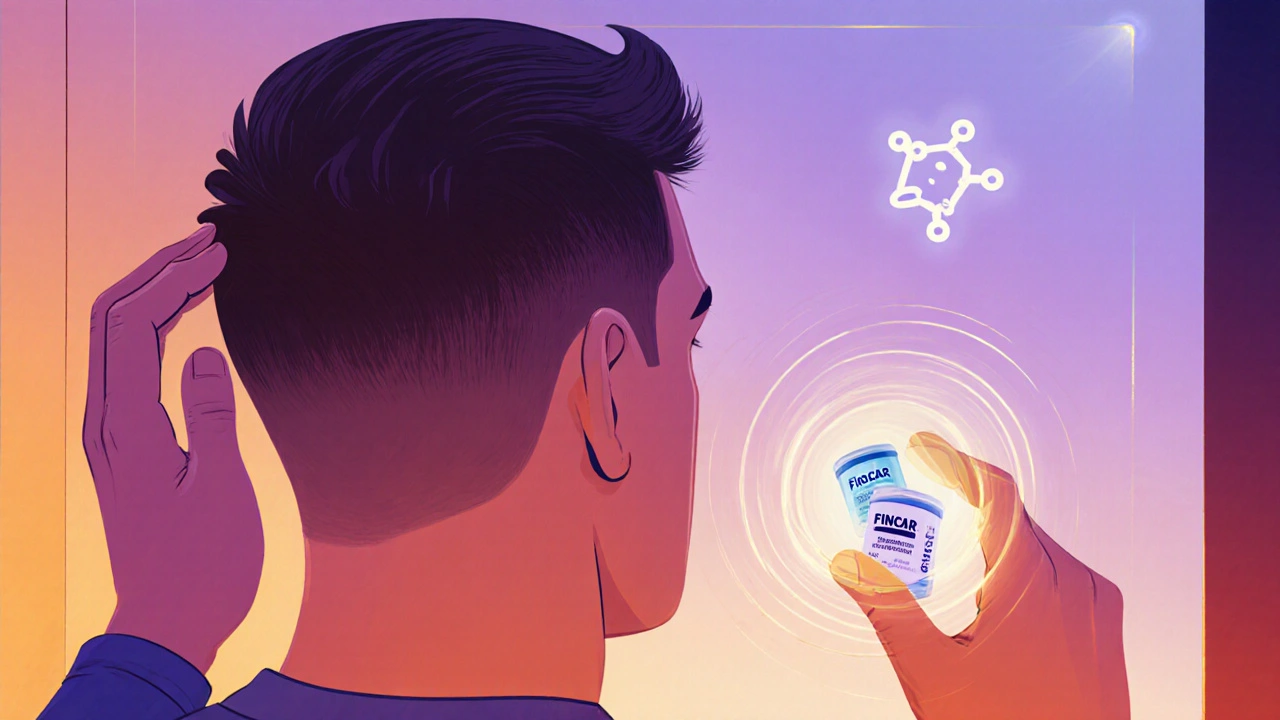
Compare Fincar (Finasteride) with Alternatives for Hair Loss and BPH
Compare Fincar (finasteride) with alternatives like Propecia, dutasteride, minoxidil, and laser therapy for hair loss and BPH. Find out what works best, side effects, and how to choose the right treatment.