
Drug-Induced Hemolytic Anemia: Causes, Signs, and Medications That Trigger It
When a medication accidentally tricks your body into attacking its own red blood cells, you may develop drug-induced hemolytic anemia, a condition where drugs trigger the immune system to destroy red blood cells faster than the body can replace them. Also known as immune-mediated hemolytic anemia, it’s not common—but when it happens, it can turn mild fatigue into a life-threatening drop in oxygen delivery. This isn’t an allergy like a rash or swelling. It’s more like your immune system misreads your red blood cells as invaders after a drug binds to them, marking them for destruction.
Some drugs cause this by sticking to red blood cells and changing their surface, making them look foreign. Others trigger antibodies that float around and attack the cells directly. Common culprits include penicillin, an antibiotic that’s one of the most frequent triggers of this reaction, cephalosporins, a class of antibiotics similar to penicillin, and methyldopa, a blood pressure drug often linked to delayed reactions. Even less obvious ones like quinidine, an old heart rhythm drug, or fluoxetine, an antidepressant, have been reported to cause it. The reaction can show up days or weeks after starting the drug, which makes it easy to miss the connection.
Signs aren’t always dramatic. You might feel unusually tired, notice your skin or eyes turning yellow, or see dark urine—like tea or cola. A rapid heartbeat, shortness of breath, or dizziness when standing up can follow. Doctors check for low hemoglobin, high bilirubin, and a rising reticulocyte count. A direct antiglobulin test (DAT) confirms if antibodies are stuck to your red blood cells. Stopping the drug often reverses it, but severe cases need steroids or even blood transfusions.
What you’ll find in the posts below isn’t just a list of drugs that cause trouble. It’s a practical guide to spotting hidden risks in medications you’re already taking. From antibiotics to pain relievers, you’ll see how side effects aren’t always what they seem—and how a simple lab result can reveal a dangerous chain reaction your body is having with a pill you thought was harmless.
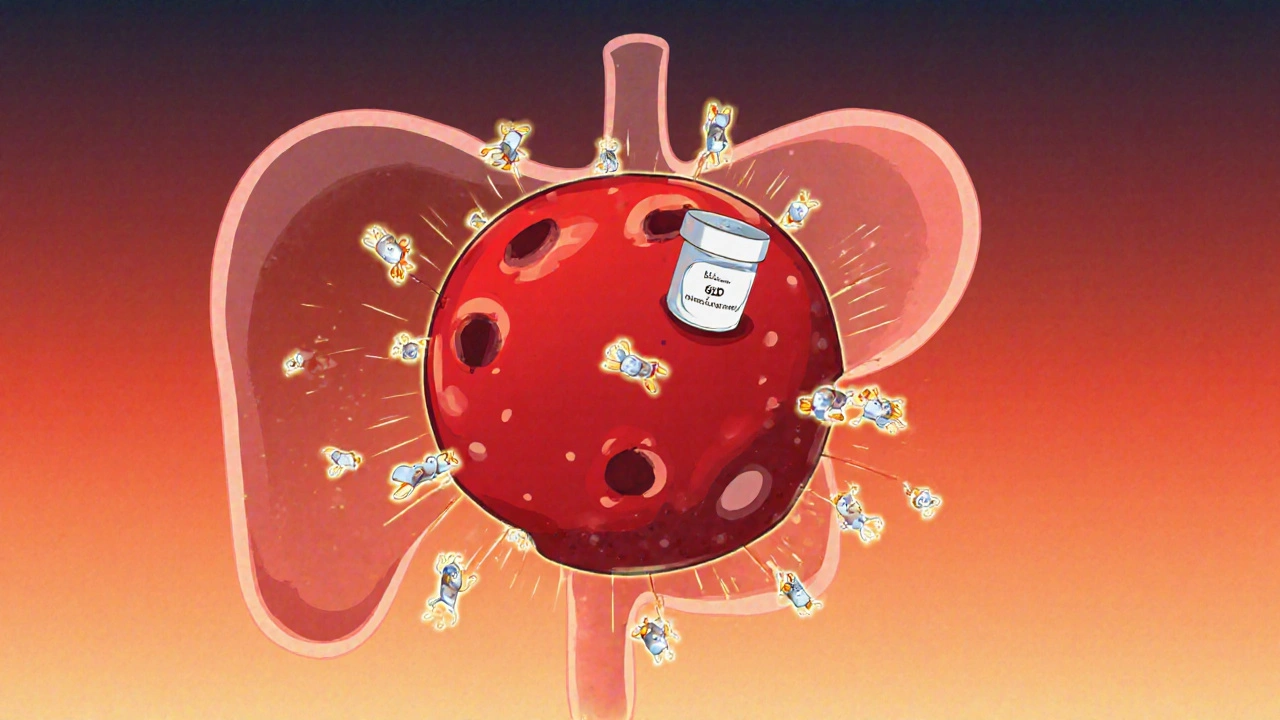
Hemolytic Anemia from Medications: Recognizing Red Blood Cell Destruction
Drug-induced hemolytic anemia is a rare but dangerous condition where medications trigger the immune system to destroy red blood cells. Recognizing symptoms like fatigue, jaundice, and dark urine-and knowing which drugs are most likely to cause it-can save lives.