
Generic Drug Side Effects: What You Need to Know Before Taking Them
When you pick up a generic drug, a lower-cost version of a brand-name medication with the same active ingredient, approved by health regulators. Also known as generic medication, it works the same way as the name-brand version—but many people still worry about side effects. Are they worse? Safer? Hidden? The truth is simpler than the rumors. The FDA requires generic drugs to match brand-name drugs in strength, dosage, and how they work in your body. That means the generic drug side effects you might experience are nearly identical to the brand-name version. If your brand-name pill gives you a headache, your generic version likely will too. If the brand causes dizziness, so will the generic. It’s not a different drug—it’s the same drug, just cheaper.
But here’s where things get messy: not all side effects are created equal. Some people report new or worse reactions to generics—not because the drug changed, but because of inactive ingredients. Fillers, dyes, or preservatives in a generic version can trigger allergies or stomach upset in sensitive people. That’s why someone might feel fine on brand-name lisinopril but get a rash on the generic. It’s not the active ingredient—it’s the stuff around it. This is rare, but it happens. And it’s why doctors sometimes ask if you’ve switched brands recently when symptoms pop up. Also, if you’re on multiple meds, a change in generic manufacturer can accidentally alter how your body handles other drugs. That’s not the generic’s fault—it’s about how your body reacts to new combinations. Generic medications, cost-effective alternatives to brand-name drugs that must meet strict bioequivalence standards are safe for most people, but your body might react differently to slight formulation changes.
What about long-term effects? Studies show no increased risk of harm from generics over years of use. A 2021 analysis of over 1 million patients found no difference in hospitalization rates between those taking brand-name and generic versions of blood pressure, cholesterol, or antidepressant drugs. But that doesn’t mean you should ignore your body. If you start feeling off after switching to a generic—fatigue, nausea, strange rashes, mood shifts—don’t brush it off. Track it. Talk to your pharmacist. They can check if your generic came from a new supplier. Sometimes, switching back to the original brand or trying a different generic brand fixes it. You’re not imagining things. Your body notices differences, even small ones.
And here’s something most people don’t realize: the same generic drug made by two different companies might have slightly different side effect profiles—not because one is better or worse, but because of how they’re made. One might dissolve slower, another might be coated differently. That can change how fast the drug hits your bloodstream, which affects how you feel. For most drugs, it’s no big deal. For drugs with narrow safety windows—like seizure meds or blood thinners—it matters more. That’s why doctors sometimes stick to one brand for those.
So what should you do? Don’t avoid generics because of fear. They save billions and work just as well. But pay attention. Know your baseline. If you’ve been on a brand-name drug for years and switch to generic, note how you feel in the first week. Write down any new symptoms. Bring that list to your next visit. Ask your pharmacist: "Is this the same manufacturer as last time?" If you’re on a high-risk medication, ask if your insurance lets you stick with one generic brand. You’re not being difficult—you’re being smart.
Below, you’ll find real-world guides on how specific generic drugs affect people, what side effects to watch for, and how to spot when it’s time to speak up. From blood pressure meds to antibiotics to hair loss treatments, these posts break down what actually happens when you take a generic—and what to do if something doesn’t feel right.
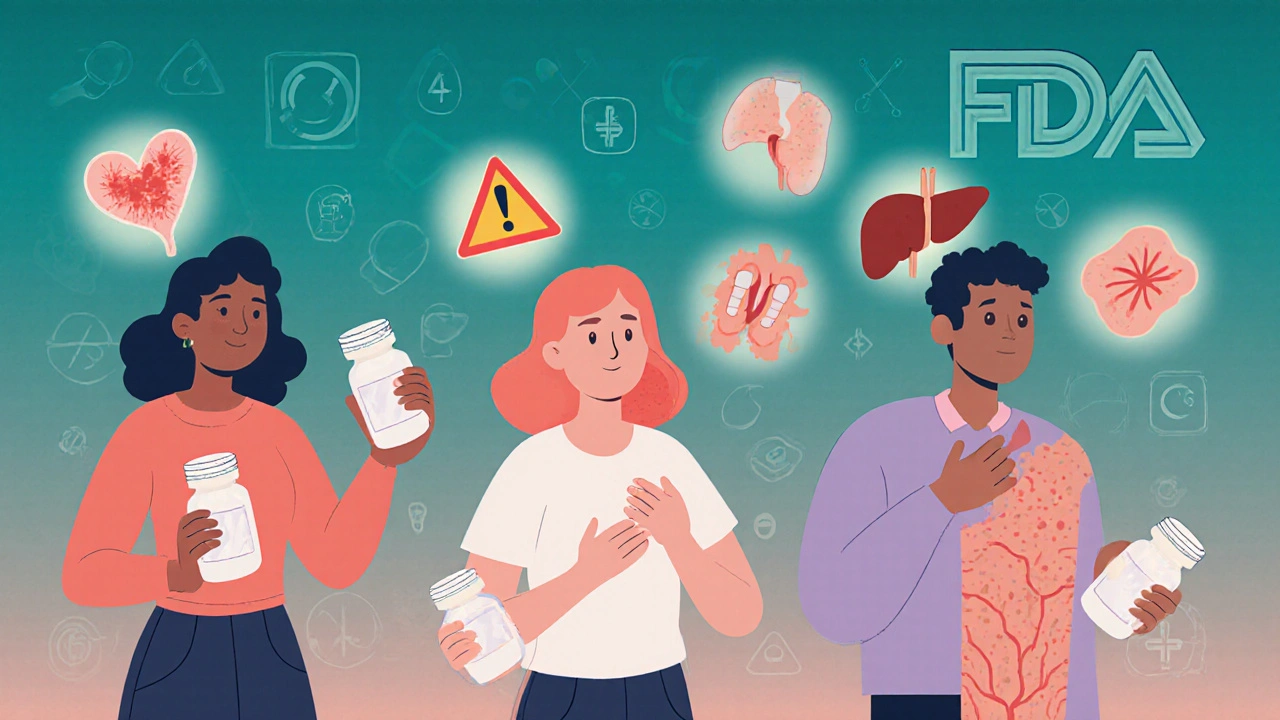
Rare Adverse Events with Generics: When and How to Report Side Effects
Learn when and how to report rare side effects from generic medications. Understand what counts as serious, how to submit a report to the FDA, and why your report could prevent harm to others.