
Rare Drug Reactions: What They Are, Why They Happen, and How to Stay Safe
When your body reacts badly to a medicine you’ve taken before without issue, it’s not just bad luck—it’s a rare drug reaction, an unexpected and often severe response to a medication that affects only a small percentage of users. Also known as idiosyncratic drug reactions, these events don’t follow typical side effect patterns and can strike without warning. Unlike common nausea or drowsiness, rare drug reactions can shut down organs, trigger full-body allergic responses, or turn harmless pills into silent killers.
One of the most dangerous types is anaphylaxis, a sudden, life-threatening allergic reaction that causes airway swelling, low blood pressure, and cardiac arrest. It can happen within minutes of taking even a small dose of penicillin, aspirin, or certain antibiotics. Another hidden risk is how immunocompromised patients, people with weakened immune systems from disease or drugs like steroids or biologics can develop unusual reactions—even to common antibiotics—because their bodies can’t regulate inflammation the way healthy ones do. These reactions aren’t always allergic; sometimes they’re autoimmune, where your immune system mistakenly attacks your own skin, liver, or blood cells after a drug triggers the confusion.
What makes these reactions so tricky is that they often show up days or weeks after starting a new medicine. A rash might seem like a simple irritation, but if it’s accompanied by fever, blisters, or peeling skin, it could be Stevens-Johnson Syndrome—a rare but deadly condition tied to drugs like sulfamethoxazole or carbamazepine. Or your liver enzymes might spike after taking a common painkiller like diclofenac, signaling drug-induced hepatitis. These aren’t listed on the label because they’re rare—but they’re real, and they happen more often than you think.
Some people are genetically wired for these reactions. A simple blood test can now detect if you carry the HLA-B*57:01 gene, which makes you extremely likely to have a severe reaction to abacavir, an HIV drug. Others might react to a drug because they’re taking another one that changes how it’s processed—like mixing NSAIDs with blood thinners or antihistamines with glaucoma medications. These aren’t just drug interactions; they’re triggers for rare, unpredictable events.
There’s no way to predict every rare reaction, but you can reduce your risk. Keep a written list of every medicine you’ve ever had a bad reaction to—even if it was years ago. Tell every new doctor about it. Don’t assume a generic version is safe if the brand name caused trouble. And if you ever feel like something is seriously wrong after starting a new pill—don’t wait. Go to the ER. Epinephrine saves lives in anaphylaxis. Early treatment stops skin reactions from spreading. Monitoring your blood work while on certain drugs can catch liver or kidney damage before it’s too late.
The posts below dive into real cases, real drugs, and real warning signs. You’ll find detailed guides on how anaphylaxis hides in plain sight, why immunocompromised people need extra caution, which medications can trigger eye pressure spikes, and how even common drugs like diclofenac or nitrofurantoin can cause unexpected harm. This isn’t about fear—it’s about awareness. Because when it comes to rare drug reactions, knowing the signs could mean the difference between a trip to the pharmacy and a trip to the ICU.
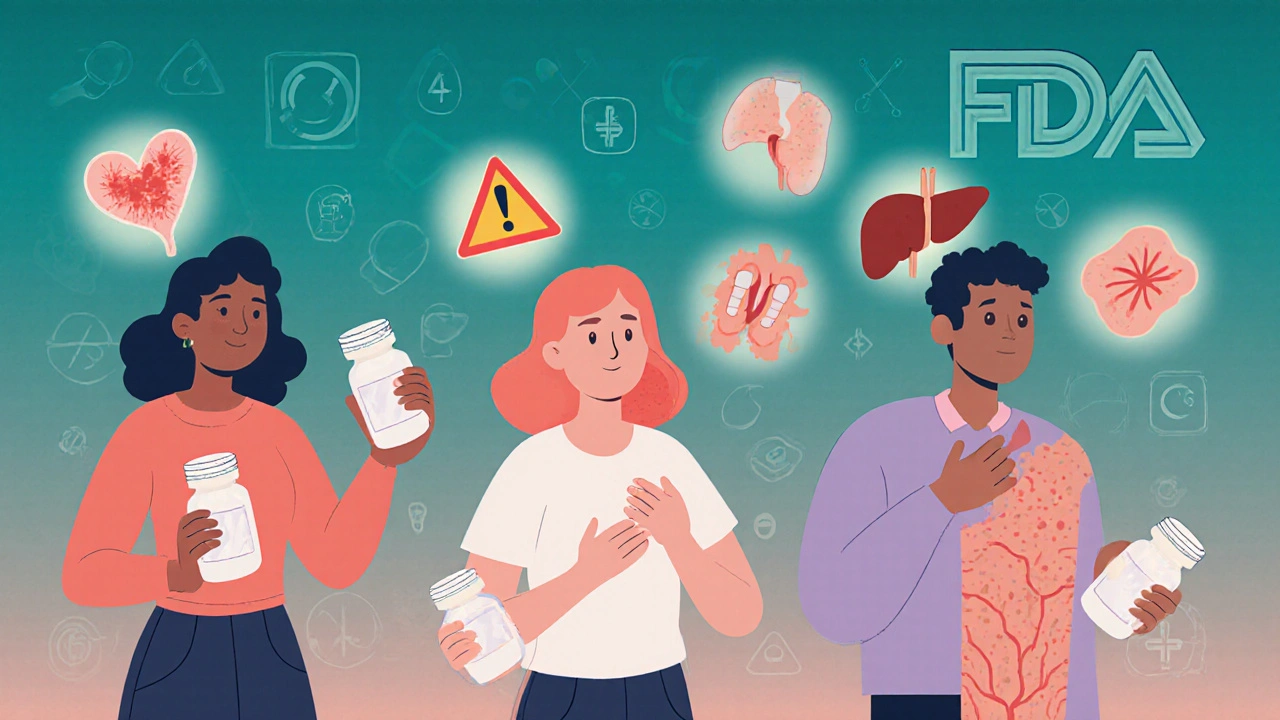
Rare Adverse Events with Generics: When and How to Report Side Effects
Learn when and how to report rare side effects from generic medications. Understand what counts as serious, how to submit a report to the FDA, and why your report could prevent harm to others.