
Report Adverse Events: How to Spot and Report Dangerous Drug Reactions
When you take a medication, you trust it will help—not hurt. But sometimes, drugs cause unexpected and serious reactions. These are called adverse events, unexpected or harmful reactions to medications that aren’t listed as common side effects. Also known as drug side effects, they can range from mild rashes to life-threatening anaphylaxis or organ damage. Reporting these isn’t just a formality—it’s how we find dangerous patterns before they hurt more people.
Doctors, pharmacists, and patients all play a role in tracking adverse events, harmful reactions to medications that need to be documented for public safety. For example, someone taking alendronate, a common osteoporosis drug that can cause severe jawbone damage in rare cases, might notice jaw pain months after starting treatment. If no one reports this, others might keep getting hurt. The same goes for nitrofurantoin, a UTI antibiotic linked to lung damage in older adults, or diclofenac sodium, an NSAID that can trigger heart attacks in some users. These aren’t just random bad luck—they’re signals that need to be collected and acted on.
You don’t need to be a doctor to report an adverse event. If you or someone you know had a strange reaction after starting a new pill—like sudden swelling, trouble breathing, unusual bruising, or a rash that won’t go away—write it down. Note the drug name, dose, when you started it, and what happened. Hospitals and health agencies use this data to update warnings, pull dangerous drugs off shelves, or change dosing guidelines. In fact, the FDA and WHO rely on these reports to catch problems that clinical trials miss. Most trials only include healthy adults for a few months. Real-world use involves older people, pregnant women, and those on five different meds at once. That’s where the real risks show up.
Some reactions are obvious—like anaphylaxis from medication allergy, a sudden, deadly immune response to a drug that requires immediate epinephrine. Others are sneaky. A slow drop in kidney function from Losartan-Hydrochlorothiazide, a blood pressure combo that can disrupt electrolytes over time might not feel like a crisis until it’s too late. That’s why regular monitoring matters. But even the best monitoring won’t catch everything. That’s why your report matters.
When you report an adverse event, you’re not just helping yourself. You’re helping the next person who gets prescribed the same drug. You’re telling the system: "This isn’t normal. This needs attention." And that’s how medicine gets safer. Below, you’ll find real stories and guides from people who’ve dealt with dangerous reactions—from antihistamines triggering glaucoma to immunosuppressants increasing infection risk. These aren’t hypotheticals. They’re lived experiences. And they’re why reporting isn’t optional—it’s essential.
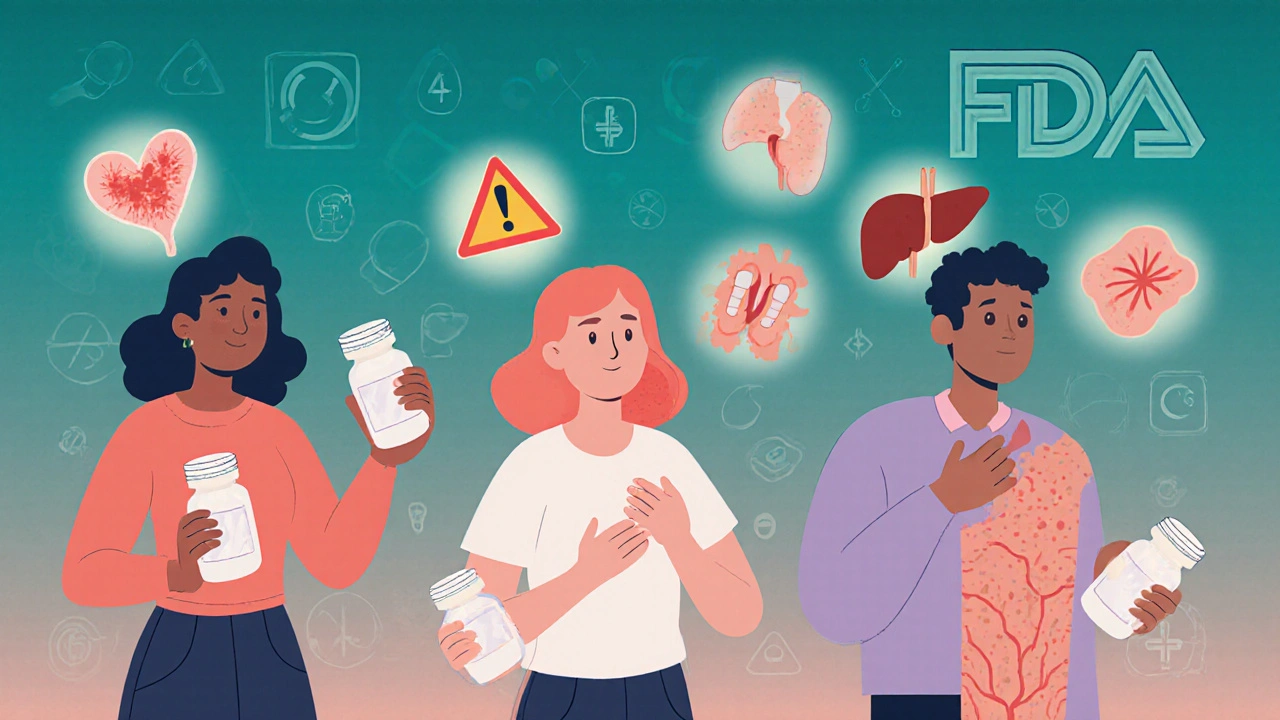
Rare Adverse Events with Generics: When and How to Report Side Effects
Learn when and how to report rare side effects from generic medications. Understand what counts as serious, how to submit a report to the FDA, and why your report could prevent harm to others.