
Antipsychotics: What They Are, How They Work, and What You Need to Know
When someone hears voices or believes things that aren’t true, it’s often called psychosis—and antipsychotics, a class of medications designed to reduce or eliminate psychotic symptoms by balancing brain chemicals like dopamine. Also known as neuroleptics, these drugs don’t cure mental illness, but they can make living with it manageable. They’re not sedatives, and they’re not for everyone. But for people with schizophrenia, severe bipolar disorder, or even some forms of depression with psychotic features, they can be life-changing.
Not all antipsychotics are the same. Some, like haloperidol and risperidone, are older and known for strong effects but also higher risks of movement problems. Others, like olanzapine and aripiprazole, are newer and often better tolerated—but they can cause weight gain, drowsiness, or even raise blood sugar. Schizophrenia, a chronic brain disorder that affects thinking, emotions, and behavior is the most common reason these drugs are prescribed. But they’re also used off-label for severe anxiety, insomnia, or aggression in dementia, even though that’s not always safe or approved.
Bipolar disorder, a condition marked by extreme mood swings between mania and depression often needs antipsychotics to control manic episodes, especially when mood stabilizers like lithium aren’t enough. And here’s the thing: many people stop taking them because of side effects, not because they feel better. That’s a big problem—stopping suddenly can trigger relapse, psychosis, or even hospitalization.
What’s missing from most conversations? The long-term impact. Some antipsychotics can cause tardive dyskinesia—a condition where you can’t control facial movements or jerking limbs. It’s rare at first, but it can become permanent. That’s why doctors should check in regularly, not just refill prescriptions. And while some people need these drugs for years, others can slowly taper off with support. It’s not one-size-fits-all.
There’s also the issue of access. Not everyone can afford brand-name versions, and generic antipsychotics aren’t always available in every pharmacy. Even when they are, the inactive ingredients might trigger allergies or upset stomachs—something you won’t find on the label unless you dig deep. And while media often paints these drugs as dangerous or overused, the real story is more complex: for many, they’re the only thing standing between them and crisis.
What you’ll find in the posts below isn’t just theory. It’s real-world advice from people who’ve lived with these medications, doctors who’ve seen the effects, and research that cuts through the noise. You’ll learn about dangerous interactions, how to spot early side effects, what to ask your pharmacist, and why some people respond to one drug but not another. There’s no fluff here—just what you need to know to make smarter choices about your treatment.
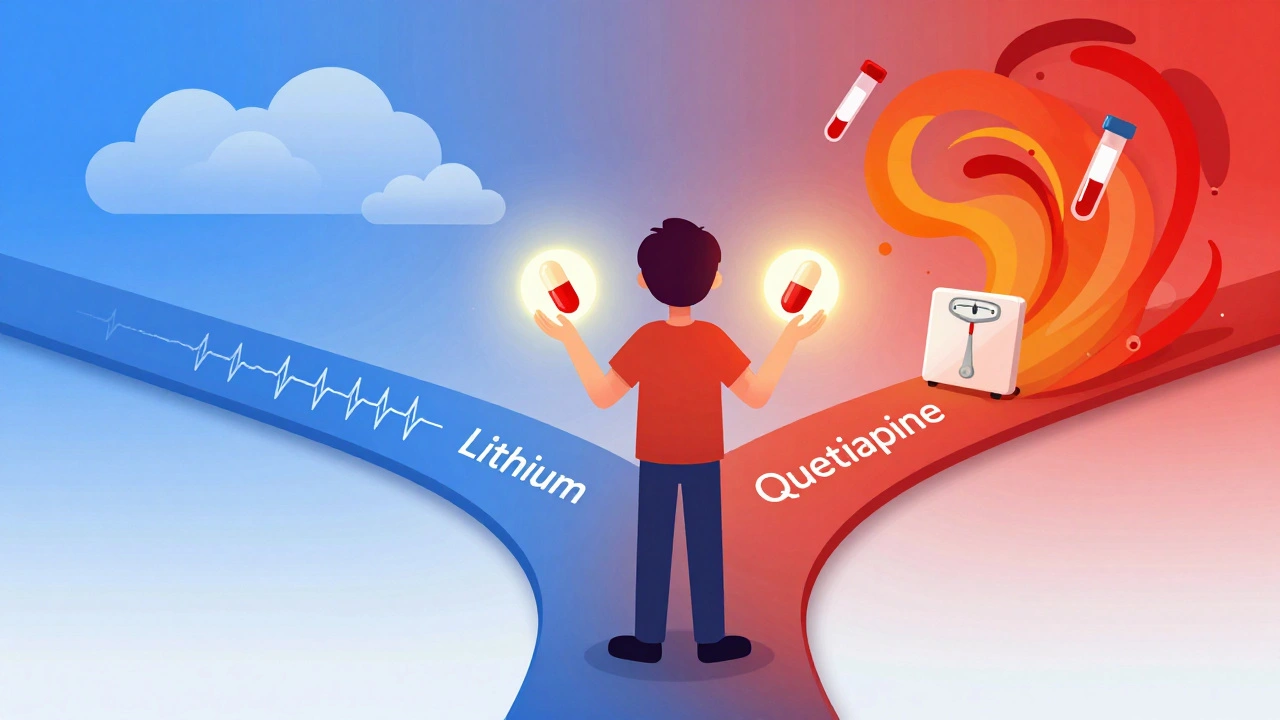
Bipolar Disorder: How Mood Stabilizers and Antipsychotics Really Work in Practice
Learn how mood stabilizers and antipsychotics work in real-world bipolar disorder treatment, including side effects, monitoring, and what works best based on current evidence and patient experiences.