
Biliary Colic: Causes, Symptoms, and What You Can Do
When you feel a sudden, intense pain under your right ribcage that lasts for hours, it might be biliary colic, a painful condition caused by gallstones blocking the bile duct. Also known as gallbladder attack, it’s not just a stomach ache—it’s your body signaling something’s stuck where it shouldn’t be. This isn’t rare. About 10-15% of adults have gallstones, and many of them will feel biliary colic at least once. The pain usually hits after a fatty meal, like fried chicken or pizza, because that’s when your gallbladder contracts to push bile out—and if a stone is in the way, it gets stuck.
The pain doesn’t come and go like gas. It’s steady, deep, and often radiates to your right shoulder or back. You might feel nauseous, even vomit. Some people mistake it for a heart issue or a bad ulcer. But biliary colic doesn’t get better with antacids or rest. It fades only when the stone passes—or when you get medical help. The real danger isn’t the pain itself, but what happens if the blockage lasts too long. That’s when infection or inflammation can turn into cholecystitis, a serious condition that needs urgent care.
What causes these stones? Mostly cholesterol buildup, but sometimes bilirubin or calcium salts. Risk factors include being female, over 40, overweight, pregnant, or eating a high-fat, low-fiber diet. Fast weight loss and diabetes also raise your chances. You can’t always prevent them, but eating regular meals, staying hydrated, and cutting back on processed fats helps. If you’ve had one attack, you’re more likely to have another—so knowing the signs matters.
Doctors don’t always need scans to diagnose biliary colic. A clear history of pain after eating, plus tenderness under the ribs, often points to it. But if it keeps happening, or the pain gets worse, an ultrasound will show if stones are present. Treatment? For many, removing the gallbladder is the only lasting fix. Medications to dissolve stones exist, but they take months, rarely work, and the stones often come back. Some people manage with diet and pain relief, but that’s like putting a bandage on a leaky pipe.
What you’ll find in the posts below are real, practical guides on medications and treatments tied to this condition. You’ll see how drugs like nifedipine, a calcium channel blocker sometimes used to relax bile ducts can help ease spasms. You’ll learn about diclofenac sodium, an NSAID used for pain relief during attacks, and which drugs to avoid because they worsen symptoms. There’s also info on how to safely buy generic versions of these meds online, what to watch for with side effects, and how to talk to your doctor about long-term solutions.
This isn’t about guessing what’s wrong. It’s about knowing what to do next—whether you’re dealing with your first attack or have had them before. The goal isn’t to scare you. It’s to give you clear, no-fluff facts so you can make smarter choices, ask better questions, and avoid unnecessary trips to the ER.
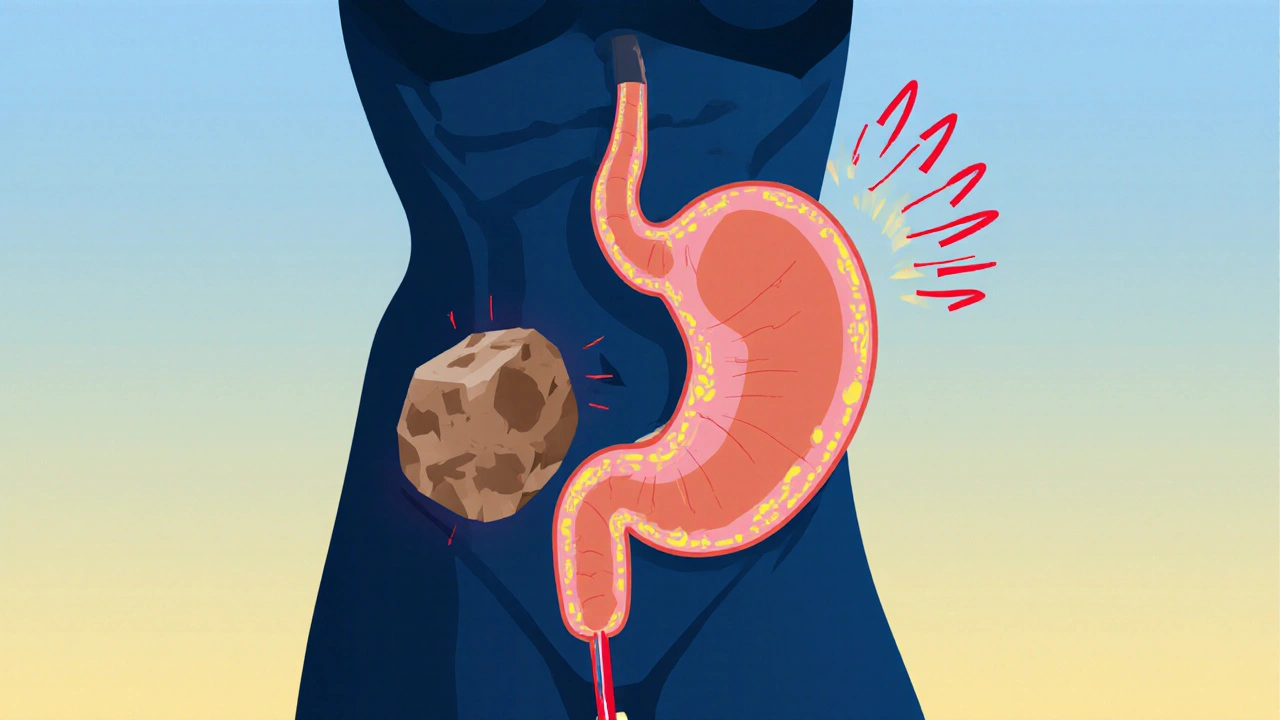
Gallstones Explained: Biliary Colic, Cholecystitis, and When Surgery Is Necessary
Gallstones affect 1 in 10 adults. Most never know it-until pain hits. Learn how biliary colic turns into cholecystitis, why surgery is the only reliable cure, and what recovery really looks like.