
Opioid Tolerance: What It Is, Why It Happens, and What You Can Do
When you take opioids regularly, your body slowly adapts — this is called opioid tolerance, a condition where the body requires higher doses of an opioid to achieve the same pain relief or effect. It’s not the same as addiction, but it often goes hand-in-hand. Over time, the brain’s receptors stop responding the same way, and what once helped with pain no longer does — without increasing the dose. This isn’t a sign you’re doing something wrong. It’s a biological response, seen in people taking opioids for chronic pain, cancer, or after surgery.
opioid dependence, a physical state where the body relies on the drug to function normally, and withdrawal symptoms appear if the drug is stopped often develops alongside tolerance. If you’ve been on opioids for more than a few weeks, your body has likely adjusted. Stopping suddenly can cause nausea, sweating, anxiety, or even muscle cramps. That’s why doctors don’t just cut prescriptions off — they help you taper slowly. And if you’re using opioids for pain, tolerance doesn’t mean the pain is worse — it just means your body has changed how it responds.
Some people worry that tolerance means they’re becoming addicted. But addiction is about loss of control, cravings, and using the drug despite harm. Tolerance is just physiology. Still, the two can feed each other. If you’re taking higher doses because the lower ones don’t work, you’re at greater risk for side effects like drowsiness, constipation, or even opioid-induced adrenal insufficiency, a rare but dangerous condition where long-term opioid use suppresses cortisol production. That’s why monitoring with your doctor matters.
What can you do? First, don’t increase your dose on your own. Talk to your provider about alternatives — physical therapy, nerve blocks, or non-opioid meds like gabapentin or NSAIDs. Second, track your pain levels and medication use. Sometimes, tolerance builds because pain has changed, not because the drug stopped working. Third, ask about naloxone — it’s not just for overdoses. Having it on hand gives you a safety net.
There’s no shame in needing opioids. But there’s power in understanding how they work in your body. The articles below cover real-world issues you might face: how tolerance leads to higher doses, why some people develop side effects others don’t, and how to recognize when it’s time to change course. You’ll find advice on talking to your doctor, spotting warning signs, and managing pain without relying on escalating doses. This isn’t about fear — it’s about control.
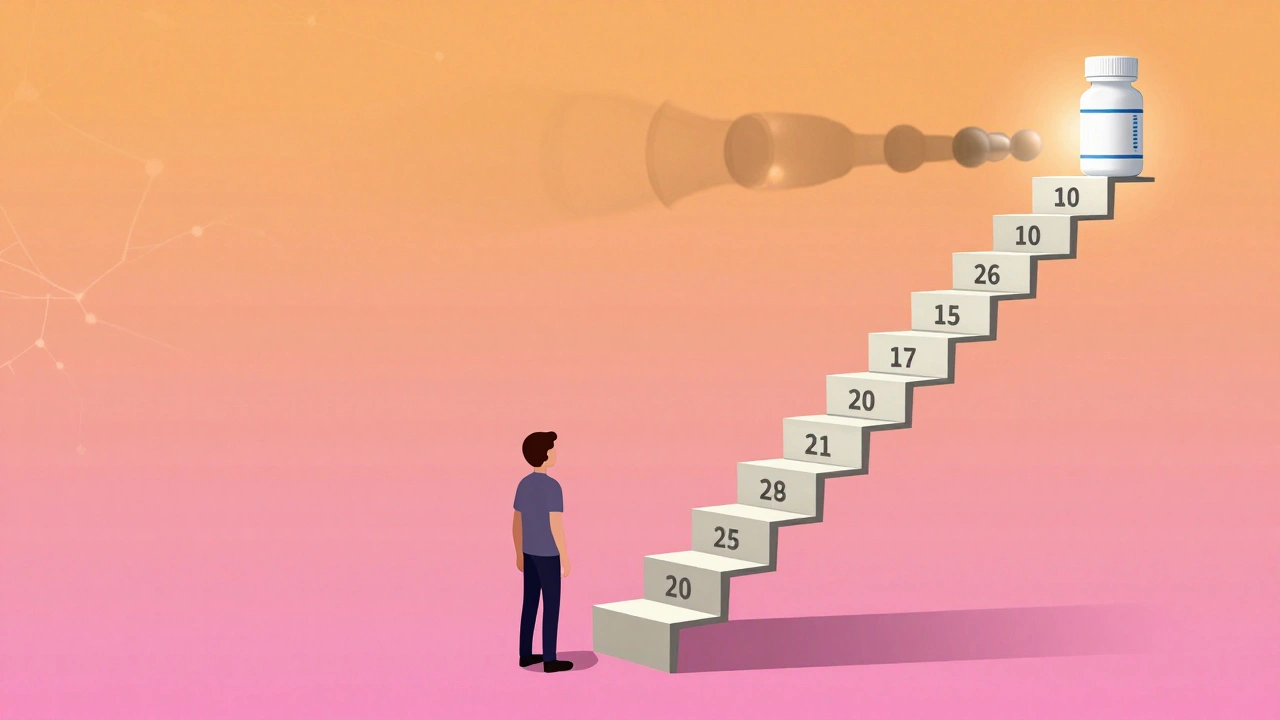
Opioid Tolerance: Why Your Pain Medication Dose Keeps Going Up
Opioid tolerance means your body needs higher doses for the same pain relief. It’s not addiction - but it can lead to dangerous outcomes if not managed carefully. Learn why doses increase and how to stay safe.