
Pharmacist Warning: What You Need to Know About Drug Risks and Safety
When a pharmacist warning, a clear alert from a licensed pharmacist about potential dangers with a medication. Also known as medication safety alert, it’s not just a formality—it’s often the last line of defense before something goes wrong. These warnings show up on your prescription label, in your pharmacy app, or when you ask a question at the counter. They’re not there to scare you. They’re there because drugs don’t always play nice—with other drugs, your body, or even your food.
Take drug interactions, when two or more medications react in a way that changes their effect, sometimes dangerously. For example, soy can cut levothyroxine absorption by 30%, and antihistamines can trigger sudden glaucoma in people with narrow eye angles. Then there’s side effects, unintended and potentially harmful reactions to a drug—like gabapentin causing dizziness that leads to falls in older adults, or opioids quietly shutting down cortisol production and leaving you vulnerable during illness. These aren’t rare. They’re common enough that pharmacists see them daily. And they’re why your pharmacist asks if you’re taking anything else—even over-the-counter stuff or herbal supplements.
medication safety, the practice of using drugs correctly to avoid harm isn’t just about following directions. It’s about knowing when to speak up. If you’re on blood thinners and need a tooth pulled, stopping your med might be riskier than keeping it. If you’re over 65 with kidney issues, a standard dose of a common drug could build up to toxic levels. And if you’ve had a reaction before, that’s not just a note—it’s a red flag. The pharmacist warning is your signal to pause, ask, and double-check.
What you’ll find below are real cases where these warnings mattered. From how norovirus outbreaks demand strict hygiene to stop spread, to why certain antibiotics can destroy red blood cells in people with G6PD deficiency, these aren’t theoretical risks. They’re lived experiences. You’ll see how dosing errors in the elderly can be fatal, how generic drugs sometimes trigger rare reactions, and why stopping opioids cold turkey can trigger adrenal crisis. These aren’t just stories—they’re lessons. And if you’re taking any meds, they’re ones you need to hear.
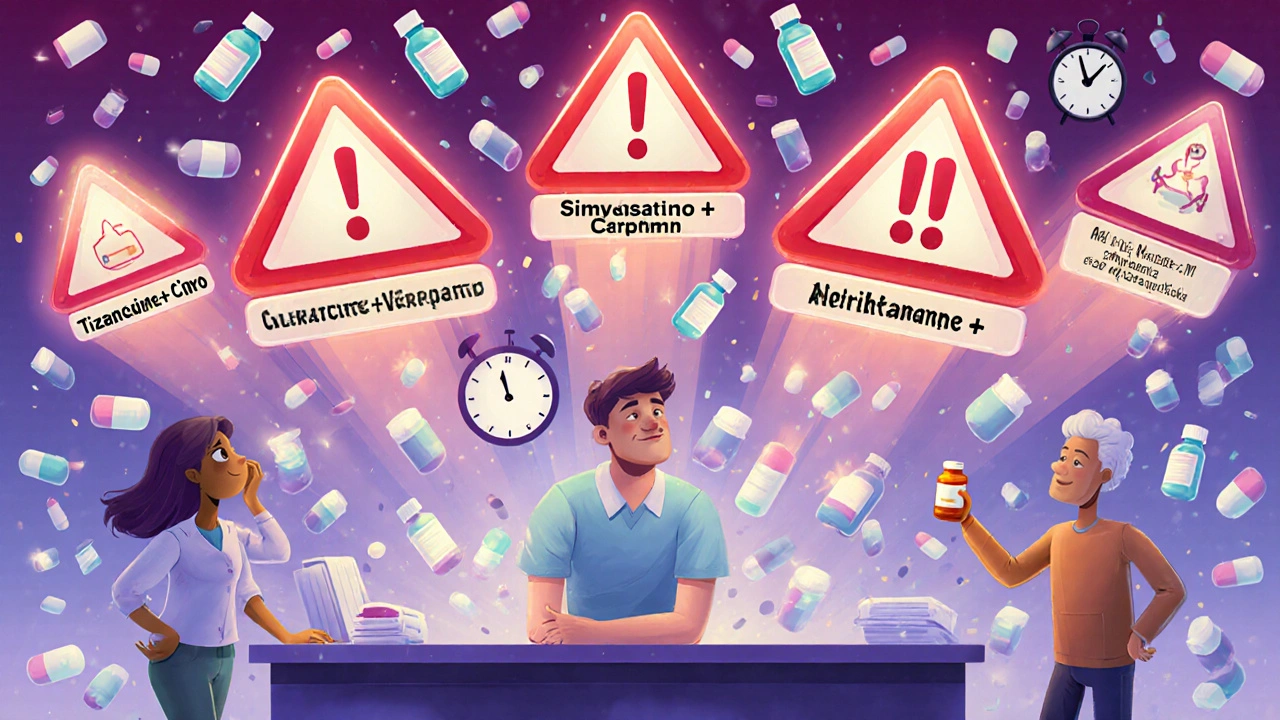
Red Flags in Drug Interactions: 5 Deadly Combinations Your Pharmacist Must Flag
Learn the five deadliest drug combinations that can cause hospitalization or death-and why pharmacists often miss them. Get practical steps to protect yourself from dangerous medication interactions.