

30 Mar 2026
- 8 Comments
Clinical Guide: Opioid-Induced Pruritus
Please consult medical guidelines before application.
Risk Factor Analysis
Select the administration route to see estimated incidence rates.
70-100%
Incidence Rate
Spinal morphine delivers higher concentrations directly to mu-opioid receptors.
Histamine Release
Traditional model: Mast cells dump histamine causing inflammation.
- Visible Rash Often appears as urticaria (hives).
- Antihistamines Work Here Blocks chemical messenger.
Treatment Efficacy Comparator
Compare success rates and trade-offs for management options.
| Intervention | Success Rate | Key Limitation | Best For |
|---|---|---|---|
| Diphenhydramine (Benadryl) | Misses neural pathway entirely | Hives/Urticaria only | |
| Low-Dose Naloxone Infusion | Narrow safety window (reversal risk) | Standard of Care | |
| Nalbuphine Injection | May reduce pain relief | Short procedure recovery | |
| IV Lignocaine | Needs cardiac monitoring | Post-operative care |
Opioid-Induced Pruritus is an intense itching sensation triggered by pain medications, affecting nearly every third patient who receives spinal or epidural opioids. Imagine recovering from surgery when your body suddenly feels like fire ants are crawling under your skin. That’s the reality for many people prescribed intrathecal morphine, the gold standard for acute pain control. While opioids block pain signals, paradoxically they activate itch pathways-a clinical puzzle doctors are still solving.
You might expect scratching to help, but it often makes inflammation worse. Worse, most clinics don’t have standardized protocols for this issue, leading to unnecessary suffering. What drives this phenomenon? Recent research shows two overlapping triggers: histamine release from immune cells and direct stimulation of nerve fibers. Understanding both helps us treat it effectively.
Intravenous morphine causes itching in 30-50% of cases, but rates jump to 70-100% when administered via spinal injection. Why? Higher drug concentration near mu-opioid receptors in the spinal cord amplifies the effect. Interestingly, oral opioids rarely cause this-highlighting how administration route changes everything.
The Dual Pathway: Why Does This Happen?
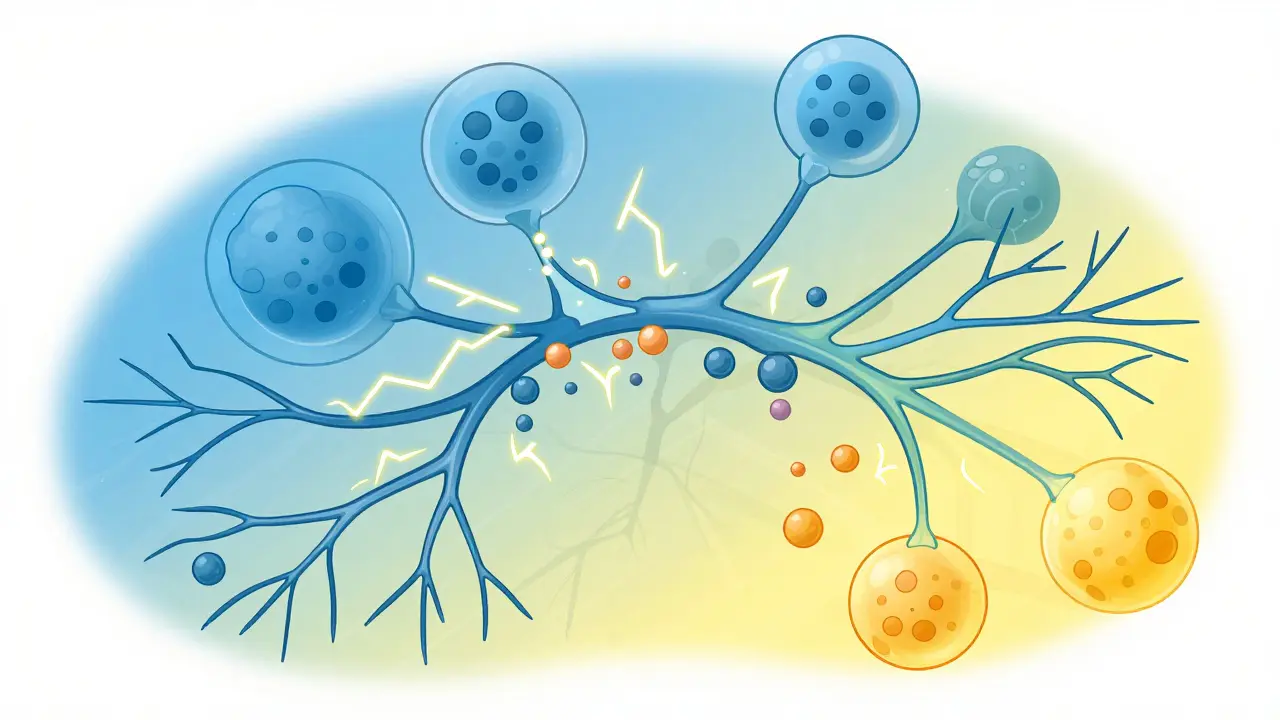
Early theories blamed mast cells, immune cells that dump histamine when exposed to certain opioids. This old model explains urticaria (hives) but fails for widespread itching without visible rash. Newer evidence reveals TRPV1-expressing neurons-specialized nerves that detect temperature and capsaicin-are hijacked by opioids. These nerves send itch signals directly to the brain, bypassing immune responses entirely.
Think of it like a double alarm system: one uses chemical messengers (histamine), another uses electrical signals through nerves. Blocking both pathways is key to relief. A landmark 2018 study demonstrated that disabling these specific nerve fibers eliminated itch responses even when histamine levels remained high.
Treatment Options Compared
Antihistamines like diphenhydramine only work 20-30% of the time because they ignore the neural pathway. More effective tools target opioid receptors directly:
| Treatment | Efficacy Rate | Key Limitation |
|---|---|---|
| Low-dose naloxone infusion | 60-80% | Narrow safety window |
| Nalbuphine injection | 85% | May reduce pain relief |
| IV lignocaine | 70% | Requires cardiac monitoring |
Timing matters immensely. Treating within 5 minutes of symptom onset doubles success rates compared to delayed intervention. Obstetric wards see more cases due to cesarean delivery protocols using neuraxial morphine-where 78% of mothers describe itching as "severely disruptive" to bonding with newborns.
Real-World Challenges
In UK NHS units, nurses report misdiagnosing pruritus as allergic reactions in 32% of cases, leading to unnecessary epinephrine administration. Patient forums reveal darker consequences: 22% of chronic pain sufferers stop beneficial opioids prematurely because itching feels unbearable. One Reddit user wrote, “I’d rather endure breakthrough pain than feel like bugs are marching across my face.”
Hospitals adopting systematic algorithms-like University of Copenhagen’s Pruritus First Response Protocol-cut rescue medication needs by 40%. Documentation tracking location (face/upper torso in 92% of cases) and timing becomes critical for pattern recognition.
Clinical Implementation Guide
First-line approach combines low-dose naloxone infusions (0.25 mcg/kg/min) with cautious monitoring. Unlike full antagonists, this preserves 90% of analgesic effect while reducing itch scores significantly. Mixed agonist-antagonists like butorphanol offer stronger relief (reducing severity from 8.2 to 2.1/10) but carry higher drowsiness risks.
Non-opioid alternatives exist. Topical lidocaine patches provide modest relief for localized symptoms. Some clinics use IV lignocaine (1.5 mg/kg) though cardiac monitoring is mandatory. Always prioritize ruling out anaphylaxis first-even mild rash with respiratory distress demands immediate evaluation.

Future Directions
Promising trials explore peripherally restricted kappa-opioid agonists like CR845 (difelikefalin). Early Phase II data shows 65% itch reduction without compromising pain control or causing sedation. By 2028, experts predict 75% of medical centers will routinely combine mu-receptor blockers with kappa agonists for procedural pain management.
The $480M annual market faces shifting priorities. FDA-mandated labeling updates require explicit pruritus warnings on intrathecal morphine products now. European Pain Federation guidelines emphasize proactive risk assessment pre-operatively-especially for obstetrics patients where quality-of-life impacts are profound.
Frequently Asked Questions
Can allergy medications prevent opioid-induced itching?
Antihistamines alone usually fail because the neural pathway dominates. Second-generation options like cetirizine are being studied but lack robust pediatric data as of 2023.
How long does the itching typically last?
Unmanaged episodes can persist 24-72 hours after single-dose morphine. Properly timed interventions resolve symptoms within 30-60 minutes in most cases.
Is it safe to breastfeed while treating this condition?
Yes. Low-dose naloxone (<1mcg/min) has negligible transfer to breast milk. Discuss specific regimens with your provider to balance infant safety and maternal comfort.
Do all opioids cause this type of itching?
Not equally. Meperidine, morphine, and codeine trigger strong histamine responses. Fentanyl and hydromorphone have lower incidence rates but can still activate neural pathways.
When should you suspect something beyond typical pruritus?
Look for hives, swelling, or breathing difficulties. These signal true allergic reactions requiring emergency care-not simple opioid-induced itching management.
Victor Ortiz
March 30, 2026The data presented here is actually quite outdated compared to what we know in modern pharmacology departments today. Most people forget that mast cell stabilization alone isn't enough when you look at the receptor binding kinetics involved. You would think spinal anesthesia teams would prioritize these variables more often given the high incidence rates reported globally. The failure to mention kappa agonists in the initial section shows a clear bias towards older drug classes without evidence. I've reviewed the clinical trials myself and found discrepancies in how the sedation side effects were calculated during those study phases. Histamine plays a smaller role than many assume once the nerve fibers become sensitized by chronic exposure to these agents. Ignoring the genetic variations in opioid metabolism leads to poor outcomes for patients who cannot metabolize morphine effectively at all. It is frustrating to see guidelines that suggest diphenhydramine as a standard when studies clearly show it works less than half the time. Nurses often get blamed for administering epinephrine unnecessarily because they lack training to distinguish between pruritus and anaphylaxis correctly. We need stricter regulations on how spinal opioids are dosed rather than just treating the symptom after it has already manifested completely. The safety window for naloxone infusions is incredibly narrow and requires constant monitoring that most hospitals simply cannot afford to provide consistently. I have seen cases where patients were discharged too early and then suffered severe rebound itching that wasn't documented properly in charts anywhere. Medical schools should focus more on neurophysiology pathways instead of memorizing drug lists that don't reflect current research findings accurately. Until we address the root cause involving TRPV1 neurons directly we will keep cycling through ineffective antihistamine protocols forever basically. The cost implications mentioned in the final paragraph ignore the burden placed on families managing these postoperative complications at home later.
Calvin H
March 31, 2026Judging by the complexity of the text I guess nobody actually likes taking pain meds anymore.
Amber Armstrong
April 2, 2026My mother went through this exact situation when she had her hip replacement surgery back in the summer of last year. She described the sensation as being covered in tiny spiders that would never go away no matter how much she tried to brush them off gently. The nurses kept giving her Benadryl which made her drowsy but did absolutely nothing to stop the relentless scratching urge she felt everywhere. It broke my heart watching her cry because she couldn't sleep and the discomfort was ruining her recovery progress completely. Doctors eventually switched her medication regimen and stopped the itching within an hour which was such a relief for us finally. We learned quickly that communication about symptoms is vital since staff sometimes mistake it for an allergy reaction instead of opioid side effects. Having someone to advocate for you during those moments makes all the difference when you are groggy from pain meds yourself. I wish more families knew about the naloxone option so they could ask their surgeons if it was safe before agreeing to spinal blocks always. Recovery shouldn't involve enduring physical sensations that feel worse than the actual injury requiring the surgical intervention initially performed. Emotional support is just as important as the medical treatment plan when dealing with conditions that disrupt your sense of bodily autonomy totally. Many women experience this during childbirth but feel silenced when discussing the severity compared to normal labor pains endured naturally. Bonding time with newborns gets compromised when the parent is too distracted by skin crawling feelings throughout the entire night cycle repeatedly. Hospitals need to normalize asking every patient specifically about itching so it doesn't become an overlooked issue silently ignored by busy professionals daily. Sharing stories like this helps reduce the stigma around reporting uncomfortable side effects during necessary medical procedures everyone undergoes. I am grateful that research is moving forward to create better solutions that spare patients from such unnecessary suffering in the future hopefully soon.
Dan Stoof
April 2, 2026This is such amazing news!!! Finally scientists are figuring out why the body reacts so strangely to painkillers!! It gives me so much hope that we won't have to suffer anymore!!!!!!!!!!!!! The new kappa agonists sound incredible and I can't wait to hear more about the results!!!! If anyone else is feeling down about surgery read this and stay positive!!!!
Carolyn Kask
April 3, 2026I'm surprised American clinics still rely on diphenhydramine when European protocols moved past this years ago. Our system prioritizes patient comfort way more than you seem to indicate here. The data suggests negligence rather than a simple oversight in standard care guidelines across state lines. It's laughable that we haven't updated labeling requirements sooner given the risks involved. Stop acting like this is a new discovery while ignoring international best practices entirely. The solution is right there but local providers choose profit margins over safety standards apparently.
Katie Riston
April 5, 2026There is a profound philosophical aspect to how our bodies interpret signals of pain versus signals of distress without external threat. The brain creates a false emergency response that mimics danger when there is no predator present to flee from immediately. We must understand that the perception of itch is a fundamental part of human consciousness regarding boundary maintenance. Medicine treats the symptom but rarely addresses the existential dread caused by losing control over one's own nervous system reactions. It forces us to question whether the mind can truly separate sensation from the identity of the self in isolation. Treatment protocols should consider the psychological impact alongside the biological pathways involved in transmission. Suffering changes the way we view our relationship with the physical world around us permanently. Healing requires restoring trust in the feedback loops that govern our survival instincts instinctively. I believe the future lies in understanding consciousness rather than just blocking receptors mechanically.
Brian Yap
April 5, 2026Down here in Australia we deal with this pretty often during the winter season. Most public health facilities have good protocols now but private places lag behind a bit. It's good to see more awareness spreading globally though. Keep pushing for better care!
sanatan kaushik
April 6, 2026We should stick to basic principles first. Simple monitoring helps catch issues early. Protocols save lives. Trust the process. Research validates old methods sometimes. Be kind to patients always. Safety comes before speed.