
12 Apr 2026
- 0 Comments
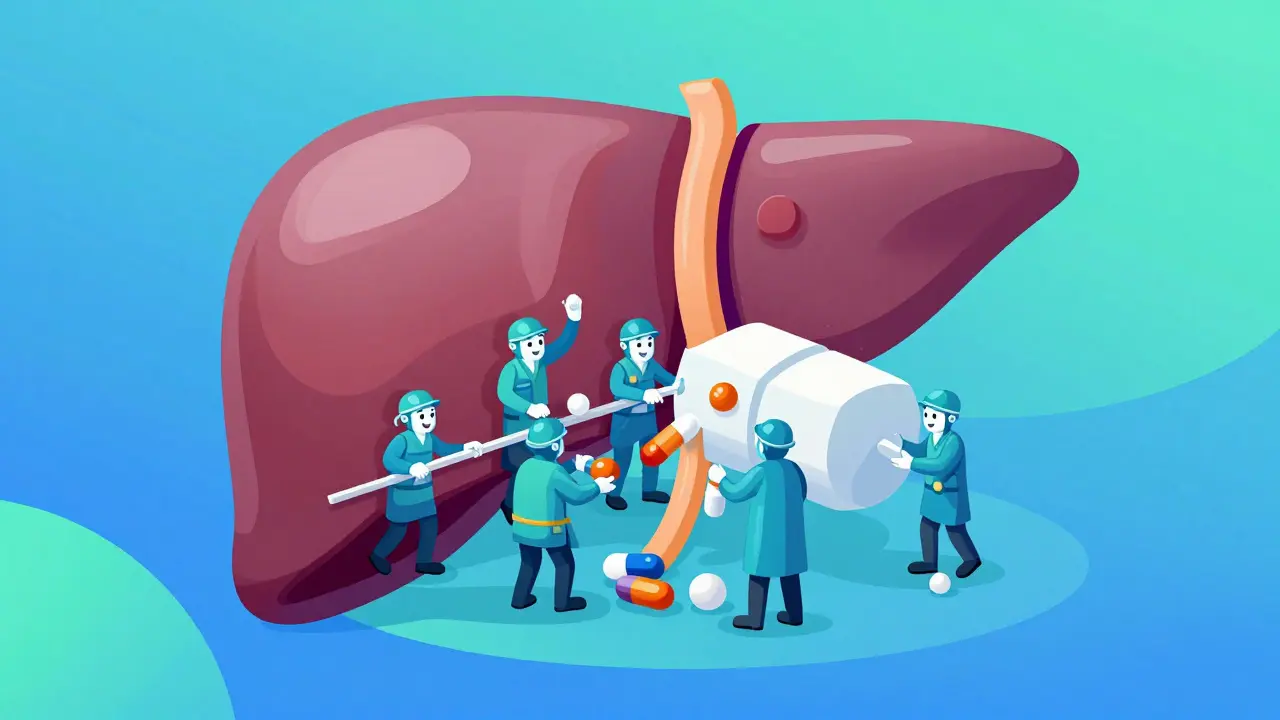
The core of the problem lies in how your body processes medicine. Clarithromycin is a macrolide antibiotic used to treat bacterial infections, known for being a potent inhibitor of the CYP3A4 enzyme system. This enzyme is essentially the "cleanup crew" in your liver that breaks down many medications, including several common statins. When clarithromycin shuts down this enzyme, the statins can't be cleared from your system, causing their levels in your blood to spike to dangerous heights.
This interaction can lead to Rhabdomyolysis, which is a serious condition where damaged muscle tissue releases a protein called myoglobin into the blood, potentially clogging the kidneys. While the absolute risk for most people is low, the consequences are severe. Some patients have reported creatine kinase (CK) levels-a marker of muscle damage-skyrocketing to over 20,000 U/L, requiring emergency hospitalization and intensive care.
Which Statins Carry the Highest Risk?
Not all cholesterol medications are created equal. Some are heavily reliant on the CYP3A4 pathway, while others take a different route through the liver. If you are taking clarithromycin and statins interaction risks depend heavily on which specific drug you use.
Simvastatin (Zocor) is the most volatile in this pairing. Because it is 95% metabolized by the CYP3A4 enzyme, adding clarithromycin can increase its plasma concentration by 10 to 12 times. This is a massive jump that significantly increases the likelihood of muscle toxicity. Lovastatin (Mevacor) carries a similar high-risk profile, with some studies showing concentration increases up to 20-fold.
Atorvastatin (Lipitor) sits in the middle. It shows a 4- to 8-fold increase in concentration. While less dramatic than simvastatin, it still requires caution and often a dose reduction during antibiotic treatment.
On the safer end of the spectrum are statins like Rosuvastatin (Crestor), Pravastatin (Pravachol), and Fluvastatin (Lescol). Because these are processed via different pathways (like sulfation or CYP2C9), they are far less likely to interact dangerously with clarithromycin.
| Statin Entity | Risk Level | Blood Level Increase | Common Recommendation |
|---|---|---|---|
| Simvastatin | Very High | 10-12x | Avoid or limit to 20mg |
| Lovastatin | Very High | 5-20x | Complete avoidance |
| Atorvastatin | Moderate | 4-8x | Limit to 20mg daily |
| Rosuvastatin | Low | 2-3x | Limit to 20mg daily |
| Pravastatin | Minimal | Low | No adjustment needed |
How to Prevent Muscle Toxicity
You don't have to choose between treating an infection and managing your cholesterol, but you do need a strategy. The American College of Cardiology suggests three primary ways to handle this risk.
The "Pause" Method: The simplest approach is to temporarily stop taking your statin while you complete your course of clarithromycin. Because the inhibitory effect of the antibiotic can linger for 7 to 10 days after your last dose, it is often recommended to wait 3 to 5 days after finishing the antibiotic before restarting your statin.
The "Swap" Method: Your doctor might switch the antibiotic entirely. Azithromycin (Zithromax) is a popular alternative. Unlike clarithromycin, it doesn't significantly block the CYP3A4 enzyme. Research has shown that patients using azithromycin have a much lower risk of hospitalization for rhabdomyolysis compared to those using clarithromycin.
The "Dose Adjustment" Method: If the statin must be continued and the antibiotic cannot be swapped, doctors may lower the dose. For example, reducing simvastatin to 10 mg daily can mitigate the risk, though this requires close monitoring of muscle symptoms.
Warning Signs: When to Call Your Doctor
Muscle toxicity doesn't usually happen instantly. On average, symptoms appear about 3 days after starting the antibiotic. You need to be vigilant about how your body feels during the first week of treatment.
- Unexplained Muscle Pain: This isn't the typical soreness you feel after a workout. It's often a deep, diffuse ache in the large muscle groups like the thighs or shoulders.
- Muscle Weakness: Feeling suddenly unable to lift objects or struggling to stand up from a chair.
- Dark Urine: This is a critical red flag. If your urine looks like tea or cola, it's a sign that myoglobin is leaking into your kidneys, which can lead to acute kidney injury.
- Fever and Malaise: While fever is common with infections, if it accompanies severe muscle tenderness, it could be a sign of systemic toxicity.
If you experience these symptoms, contact your healthcare provider immediately. They will likely order a Creatine Kinase (CK) test to measure the level of muscle enzyme in your blood and determine if the statin needs to be stopped immediately.
Who is at the Highest Risk?
While any patient on a CYP3A4-metabolized statin is at risk, certain people are more vulnerable to this interaction. If you fall into these categories, the "pause" or "swap" methods are strongly preferred over simple dose reductions.
Patients over the age of 75 are more susceptible due to naturally declining kidney and liver function. People with pre-existing renal impairment or hypothyroidism also face a higher risk of myopathy. Furthermore, new research into pharmacogenomics suggests that some people have a genetic variation (specifically the CYP3A5*3/*3 genotype) that makes them over three times more likely to suffer from muscle toxicity when these drugs are combined.
Can I just take a lower dose of my statin while on antibiotics?
For some statins, like atorvastatin, a dose reduction to 20mg may be sufficient. However, for simvastatin or lovastatin, the increase in blood concentration is so dramatic that even a low dose can be risky. Always follow your doctor's specific guidance on whether to reduce the dose or stop the medication entirely.
How long should I wait after the antibiotic course to restart my statin?
You should generally wait 3 to 5 days after your last dose of clarithromycin. This is because the active metabolite of the drug remains in your system and continues to inhibit the CYP3A4 enzyme for several days after the medication is gone.
Is azithromycin really a safer alternative?
Yes. Clinical studies, including a major report in the Canadian Medical Association Journal, show that azithromycin does not inhibit the CYP3A4 enzyme to any clinically significant degree. This means it doesn't cause statin levels to spike, making it a much safer choice for patients on cholesterol medication.
What is the difference between myalgia and rhabdomyolysis?
Myalgia is general muscle pain or aching without significant muscle breakdown. Rhabdomyolysis is a severe, life-threatening version of this where muscle cells actually rupture and release their contents into the bloodstream, which can cause permanent kidney damage.
What should I do if I've already taken both medications?
Don't panic, but do take action. Contact your pharmacist or doctor immediately to let them know you are taking both. They can assess your risk based on your specific statin dose and health history and tell you if you need to stop the medication or monitor for symptoms.
Next Steps and Troubleshooting
If you are currently taking a statin, the best thing you can do is keep an updated list of your medications in your wallet or on your phone. Many patients are unaware of these interactions until symptoms start; simply telling your doctor, "I'm on simvastatin," before they write a prescription for an antibiotic can prevent a hospital visit.
If you are a caregiver for an elderly patient, be extra cautious. Older adults may not report muscle pain as clearly or may attribute it to "getting older." Watch for changes in their mobility or a sudden onset of weakness, and check their urine color if they are starting a new course of macrolide antibiotics.