
Brand vs Generic Medications: What Really Matters for Your Health
When you pick up a prescription, you might see two options: the familiar brand name like Propecia, a brand-name version of finasteride used for hair loss or the cheaper generic, a chemically identical version sold under its active ingredient name. The big question isn’t whether they’re the same—it’s whether you’re paying extra for nothing. The FDA requires generics to have the same active ingredient, strength, dosage form, and route of administration as the brand. That means they work the same way in your body. But here’s what no one tells you: the fillers, coatings, and manufacturing processes can differ. For most people, that doesn’t matter. For a few, it does.
Take levothyroxine, a thyroid hormone replacement. Even tiny changes in how it’s absorbed can throw off your thyroid levels. That’s why doctors sometimes stick with one brand or generic version for patients on this drug. The same goes for warfarin, a blood thinner where small variations can mean the difference between clotting and bleeding. But for antibiotics, painkillers, or cholesterol meds? Generics are just as safe and effective. The real difference? Price. A brand-name drug can cost 10 to 20 times more than its generic twin. In the EU and U.S., generic drug price wars, intense competition among manufacturers that slashes costs have driven prices down by over 95% on many drugs. Yet many doctors still hesitate to prescribe generics—not because they doubt them, but because they’re not sure if their patient will get the same version every time.
Here’s the truth: if your condition is stable and you’re not on a drug with a narrow therapeutic window, switching to generic saves you money without risking your health. But if you’ve had bad reactions after switching, or your doctor insists on staying with brand, ask why. Is it because of the science—or because they’ve never seen a problem? The brand vs generic debate isn’t about quality. It’s about consistency, trust, and who pays the bill. Below, you’ll find real stories and data on how generics are regulated, why some patients react differently, and how to make sure you’re not overpaying for the same pill in a different box.
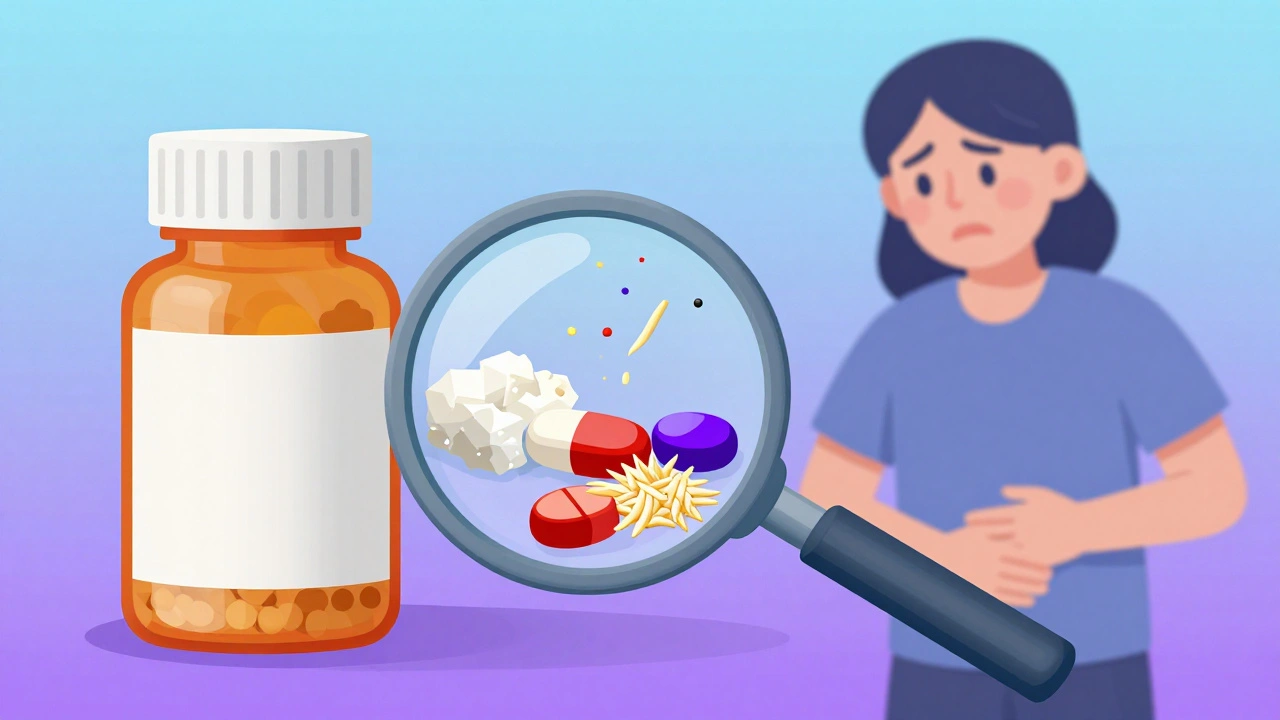
Inactive Ingredients in Generic Medications: What You Need to Know
Generic medications save money but may contain different inactive ingredients that can trigger allergies or side effects. Learn what's really in your pills and how to protect yourself.
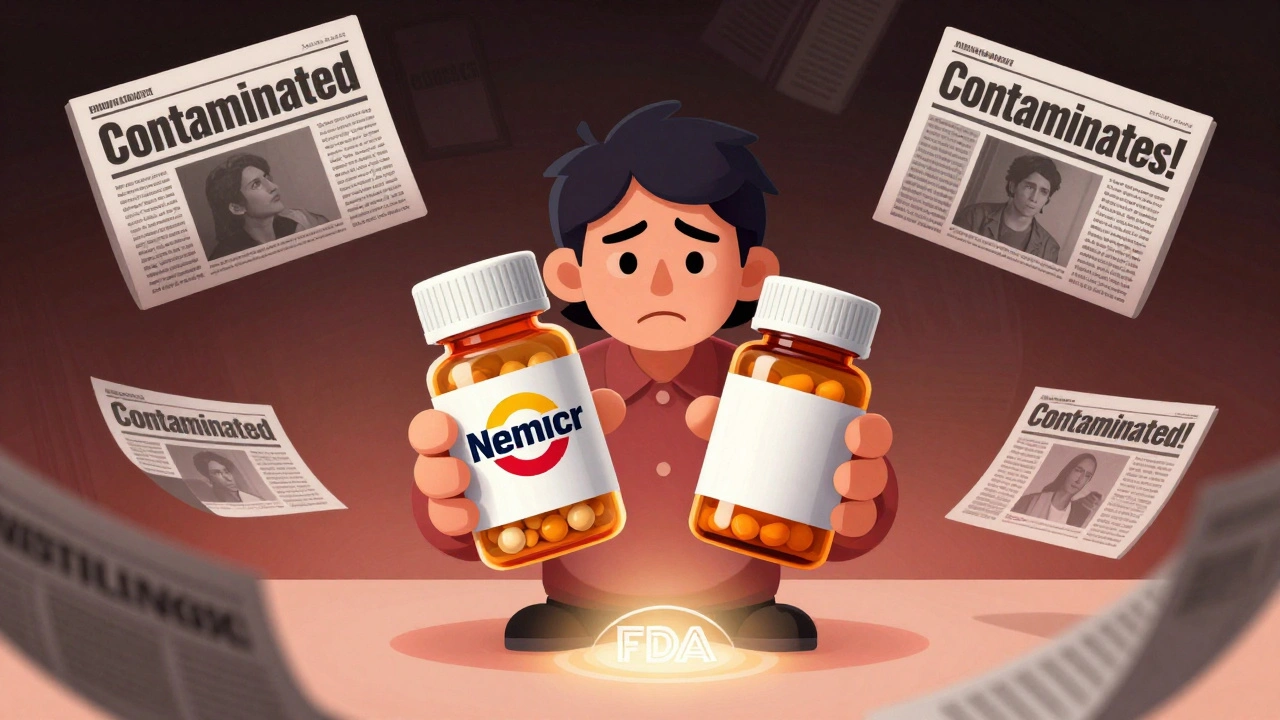
How Media Coverage Undermines Confidence in Generic Drugs
Media coverage often fuels public mistrust in generic drugs despite scientific proof of their safety and effectiveness. Learn how sensational headlines, funding biases, and lack of education shape patient choices-and what can be done to rebuild confidence.