
Cholecystitis: Causes, Symptoms, and Treatment Options
When your cholecystitis, inflammation of the gallbladder, often caused by blocked bile flow. Also known as gallbladder inflammation, it’s not just a bad stomach ache—it’s a signal your body can’t process fat the way it should. Most cases start with gallstones, hard deposits that form in the gallbladder and block the ducts, trapping bile and triggering swelling. About 90% of cholecystitis cases are linked to these stones. Without treatment, the gallbladder can become infected, rupture, or lead to serious complications like pancreatitis or sepsis.
The pain doesn’t sneak up—it hits hard. You’ll feel a sharp, steady ache under your right ribcage, often spreading to your shoulder or back. It usually comes after a fatty meal, like fried chicken or pizza, and can last for hours. Nausea, vomiting, fever, and yellowing skin or eyes mean the problem is worsening. If you’ve had this before, you know the dread of waiting for it to pass. Many people mistake it for heartburn or a stomach virus, but cholecystitis doesn’t go away with antacids or rest. It needs real medical attention.
Doctors look for signs like tenderness in the upper right abdomen, elevated white blood cell counts, and ultrasound images showing thickened gallbladder walls or stones. Treatment starts with fasting, IV fluids, and antibiotics to calm the infection. For recurring cases, removing the gallbladder—cholecystectomy, a common surgical procedure to remove the inflamed gallbladder—is often the only permanent fix. Laparoscopic surgery is standard now: small cuts, quick recovery, and most people go home the same day. You don’t need your gallbladder to digest food; your liver just sends bile straight to the intestine.
What you eat after surgery matters. Cutting back on grease helps avoid diarrhea or bloating. Some people adjust fine; others need fiber supplements or bile salt binders. The good news? Once the gallbladder is gone, cholecystitis can’t come back. But if you still have stones and skip treatment, you’re playing with fire. This isn’t something you can ignore or outwait.
Below, you’ll find real guides on medications that help manage symptoms, how to spot dangerous signs early, and what to expect if surgery is on the table. We cover safe ways to buy related prescriptions, what doctors really recommend, and how to avoid common mistakes when dealing with this condition. No fluff. Just what works.
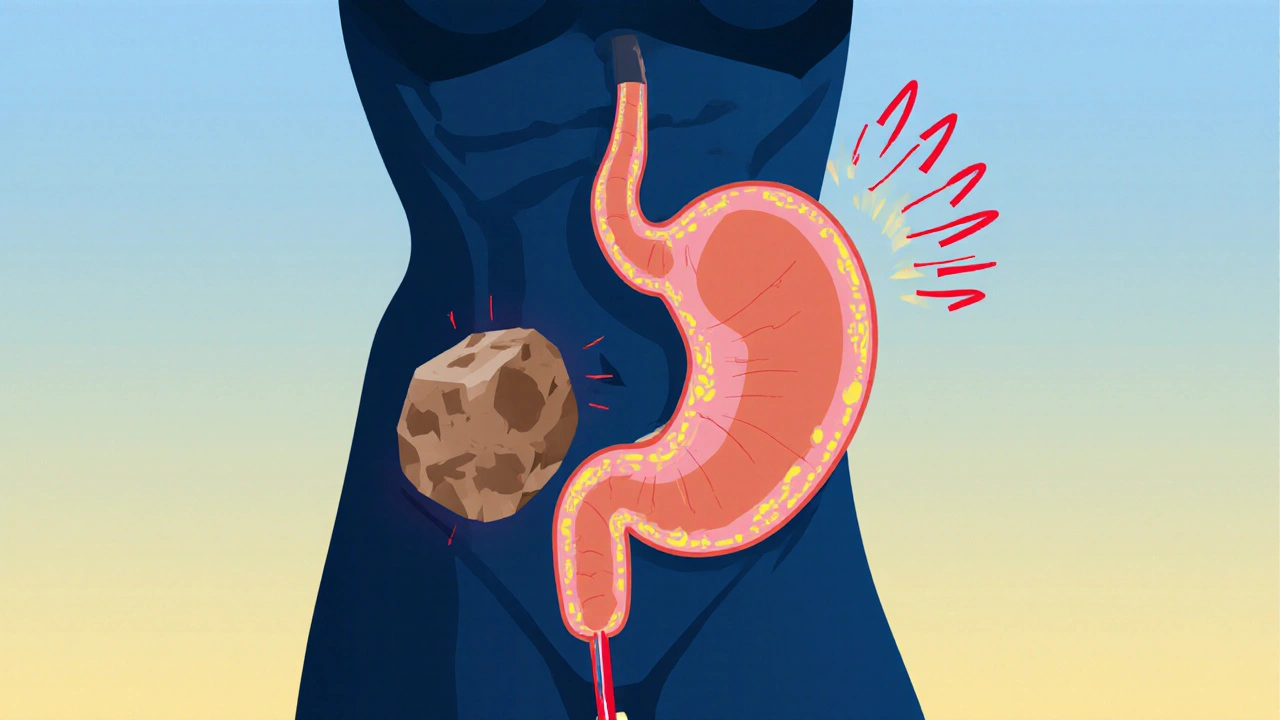
Gallstones Explained: Biliary Colic, Cholecystitis, and When Surgery Is Necessary
Gallstones affect 1 in 10 adults. Most never know it-until pain hits. Learn how biliary colic turns into cholecystitis, why surgery is the only reliable cure, and what recovery really looks like.