
DOACs: What They Are, How They Work, and What You Need to Know
When you hear DOACs, Direct Oral Anticoagulants are a group of modern blood-thinning medications designed to prevent dangerous clots without the need for frequent blood tests. Also known as novel oral anticoagulants, they’ve replaced older drugs like warfarin for millions of people with atrial fibrillation, deep vein thrombosis, or pulmonary embolism. Unlike warfarin, which requires regular INR checks and strict diet limits, DOACs work predictably, come in fixed doses, and don’t interact with most foods. That’s why doctors now prescribe them as the first choice for many patients.
DOACs include drugs like apixaban, a common choice for stroke prevention in atrial fibrillation, rivaroxaban, often used after knee or hip surgery to prevent clots, and dabigatran, which directly blocks thrombin, a key protein in clot formation. These drugs target specific parts of the clotting cascade—either factor Xa or thrombin—making them more precise than older anticoagulants. But they’re not risk-free. Bleeding is still the biggest danger, especially in older adults or those with kidney problems. That’s why dosing adjustments and monitoring kidney function are critical, even with these "easier" drugs.
What makes DOACs different isn’t just how they work—it’s who they help. People with irregular heart rhythms, those recovering from surgery, or anyone with a history of clots can benefit. But they’re not for everyone. If you have mechanical heart valves, severe liver disease, or are pregnant, DOACs may not be safe. And while they don’t need weekly blood tests, you still need to know the signs of bleeding—unusual bruising, pink or dark urine, headaches that won’t quit. If you’re on one, know your dose, know your risks, and never skip a dose without talking to your doctor.
The posts below cover real-world issues you might face while taking DOACs: how kidney function affects dosing, what happens if you miss a pill, how they interact with other meds like NSAIDs or antibiotics, and why some patients still end up on warfarin despite the hype. You’ll also find stories from people managing clots, doctors explaining when to switch, and warnings about hidden risks that aren’t on the label. This isn’t theory—it’s what actually matters when you’re living with a blood thinner.
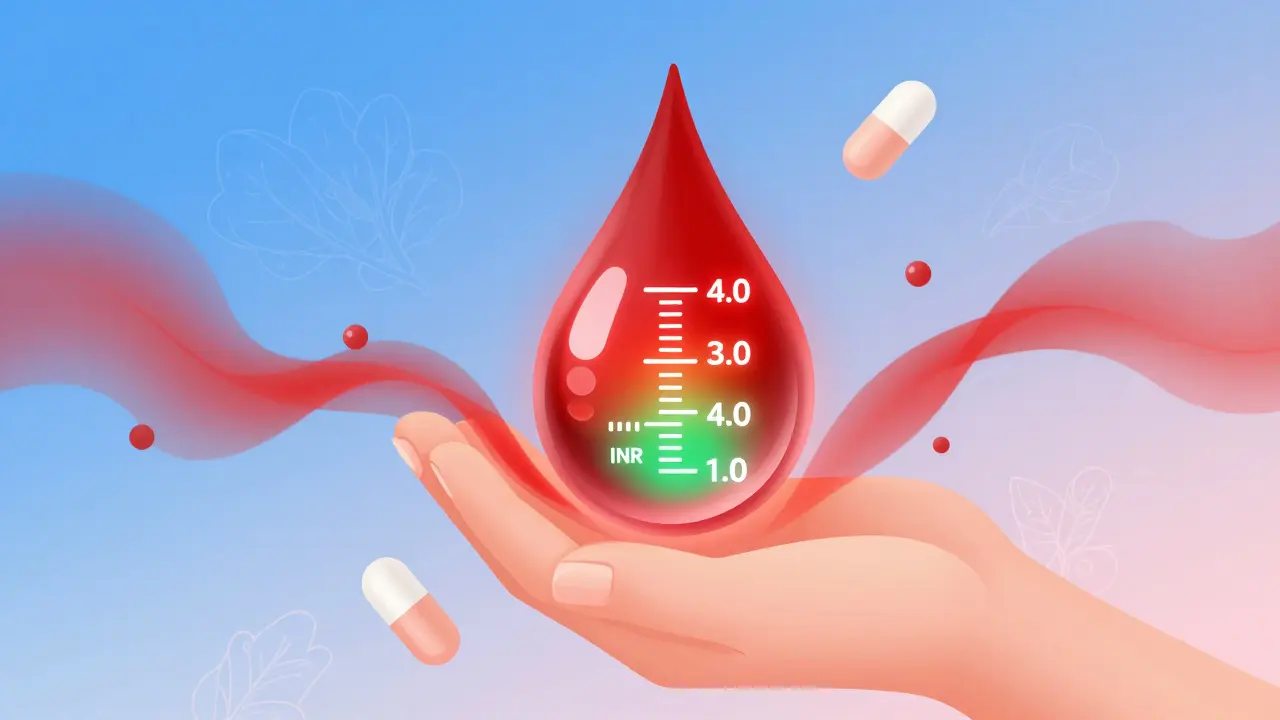
Clotting Disorders and Anticoagulation: Understanding INR, DOACs, and Safety
Understand how INR monitoring and DOACs work for clotting disorders, their safety profiles, cost differences, and real-world trade-offs. Learn when to choose one over the other and what to watch for.

Dental Anesthesia and Anticoagulants: How to Minimize Bleeding Risks Safely
Learn how to safely manage dental anesthesia while taking blood thinners. Discover why stopping anticoagulants is often more dangerous than continuing them, and what steps dentists use to prevent bleeding without compromising your heart health.