
Drug Toxicity: Signs, Causes, and How to Stay Safe
When your body can’t handle a medication the way it’s meant to, you’re facing drug toxicity, the harmful buildup of a drug in your system that leads to dangerous side effects. Also known as drug overdose or toxic drug reaction, it doesn’t always mean you took too much—sometimes, even the right dose can turn toxic if your liver or kidneys can’t process it, or if other meds interfere. This isn’t rare. It’s behind hospital visits for everything from dizziness after gabapentin to liver damage from NSAIDs, and even life-threatening drops in cortisol from long-term opioids.
Drug toxicity isn’t one thing—it’s many. It can show up as drug-induced hemolytic anemia, when your immune system attacks your own red blood cells after taking certain antibiotics or painkillers. Or it can sneak in as adrenal insufficiency, a silent shutdown of your body’s stress hormone production from long-term opioid use. Even common drugs like antihistamines can trigger acute glaucoma in people with narrow eye angles. And if you’re on blood thinners, a simple dental procedure can become risky if the anesthesia isn’t managed right. These aren’t edge cases—they’re documented, preventable events that happen because people don’t know what to watch for.
What makes drug toxicity so tricky is that it doesn’t always look like an overdose. You might feel tired, notice yellow eyes, pass dark urine, or get dizzy without realizing it’s your meds. The real danger? Many people assume their doctor already checked for interactions, or that because a drug is sold over the counter, it’s harmless. But toxicity builds quietly—through daily use, through mixing supplements, through changes in your liver function as you age. That’s why monitoring matters: checking your electrolytes on losartan-hydrochlorothiazide, tracking INR levels on blood thinners, or recognizing the early signs of anaphylaxis. It’s not about fear—it’s about awareness.
Below, you’ll find real stories from people who’ve faced these risks—and the clear, practical advice they learned the hard way. Whether it’s how gabapentin causes falls, why diclofenac can wreck your stomach when mixed with other pills, or how a simple generic drug triggered a rare reaction, these posts give you the tools to spot trouble before it hits. No fluff. No guesswork. Just what you need to know to stay safe.
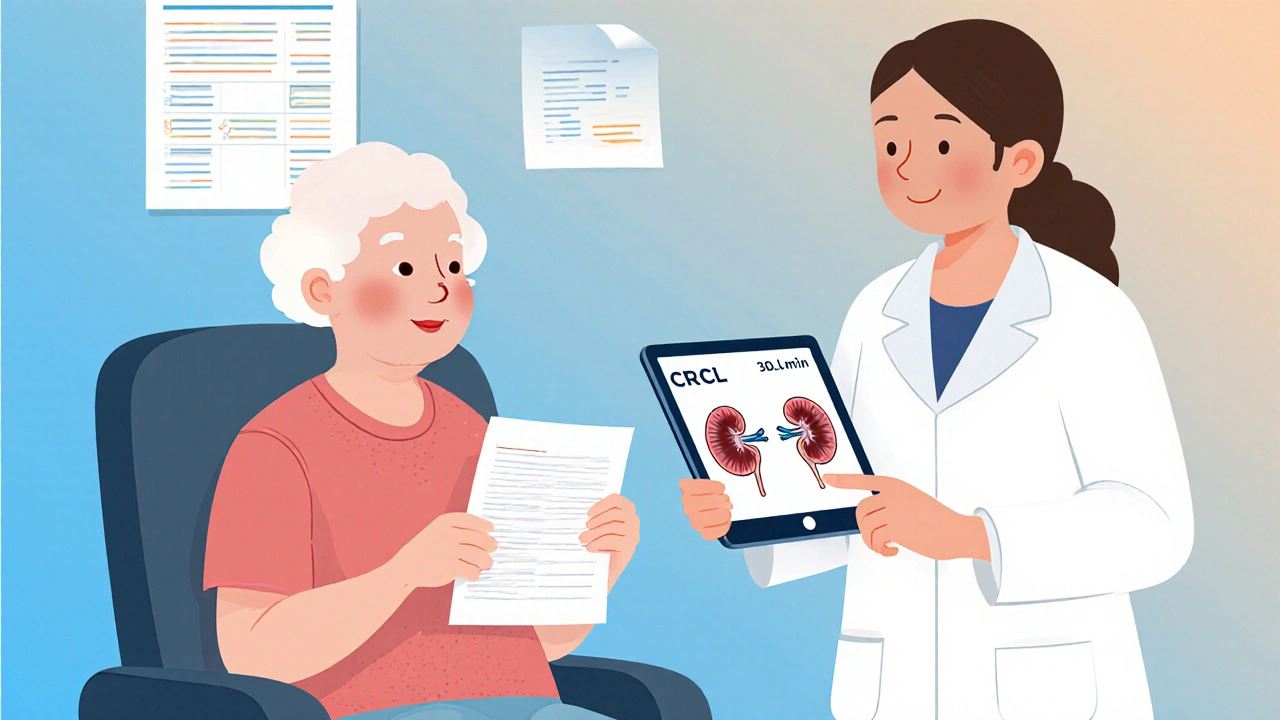
Elderly Renal Impairment: How to Adjust Medication Dosing to Prevent Toxicity
Elderly patients with kidney impairment are at high risk for medication toxicity. Learn how to adjust doses using CrCl, which drugs are most dangerous, and how to prevent life-threatening side effects.