
Missed Periods: Causes, When to Worry, and What You Can Do
When your period doesn’t come, it’s natural to panic. But missed periods, the absence of menstrual bleeding when expected. Also known as amenorrhea, it’s not always a sign of pregnancy—it can stem from stress, medication, or underlying health conditions. Many women experience this at least once, and for most, it’s temporary. But if it keeps happening, or comes with other symptoms like weight gain, acne, or fatigue, it’s worth digging deeper.
Hormonal imbalance, a disruption in estrogen, progesterone, or thyroid hormones is one of the top reasons. Birth control pills, especially newer ones, often cause lighter or skipped periods. So do medications like antidepressants, antipsychotics, or even long-term use of NSAIDs. Polycystic ovary syndrome, a common endocrine disorder affecting 1 in 10 women is another big player—it’s not just about fertility, it’s about how your body handles insulin and androgens. And yes, pregnancy, the most obvious cause of a missed period—but not the only one. Even if you’re on birth control, a missed period should still prompt a test, especially if you’ve missed pills or had unprotected sex.
Stress doesn’t just feel heavy—it physically shuts down reproduction. Your body sees chronic stress as a signal that it’s not safe to carry a baby, so it pauses ovulation. Same goes for extreme weight loss, intense exercise, or eating disorders. These aren’t just lifestyle quirks—they’re physiological triggers. And if you’ve recently stopped birth control, your cycle might take months to reset. That’s normal. But if it’s been over three months and you’re not pregnant, it’s time to check your thyroid, prolactin, or ovarian function.
What you’ll find in the posts below aren’t just random articles. They’re real, practical guides on how medications like Adalat, Ditropan, or even common antibiotics can mess with your cycle. You’ll see how drugs meant for blood pressure, bladder control, or infections sometimes have side effects no one warns you about. And you’ll learn how to spot when what you’re experiencing is just a fluke—or a red flag that needs a doctor’s attention. No fluff. Just what actually matters when your period doesn’t show up.
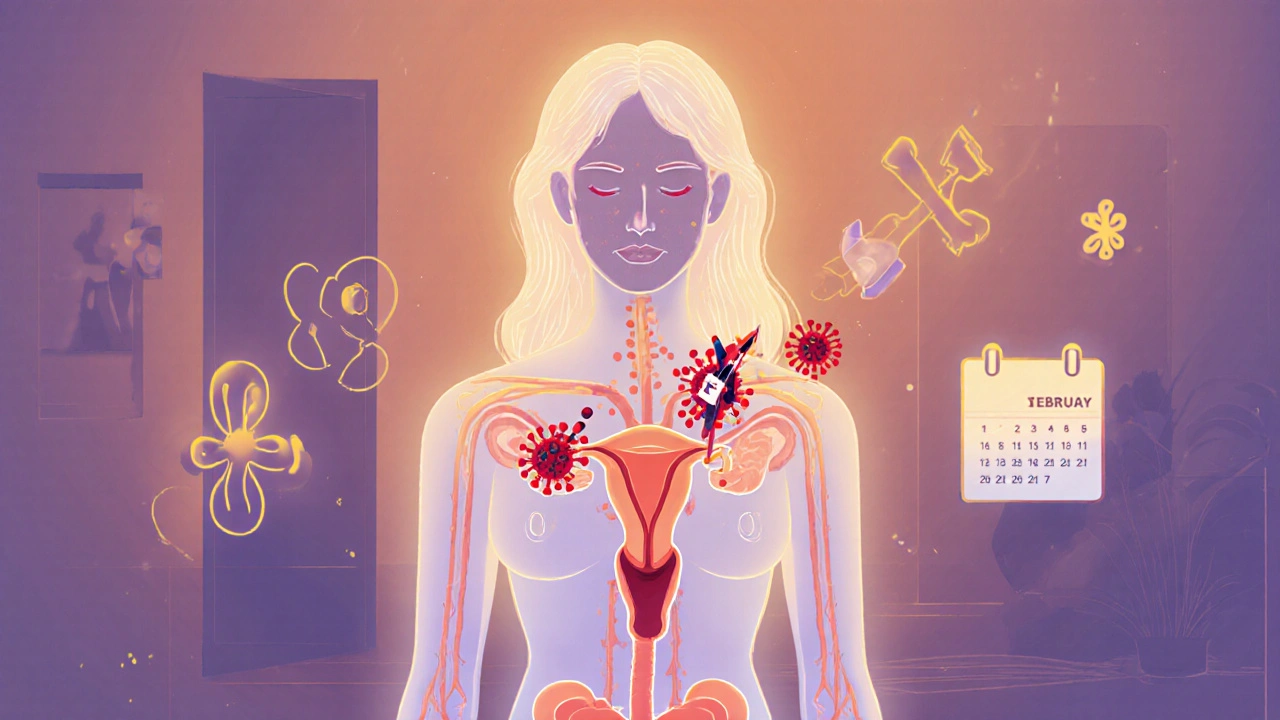
How Autoimmune Disorders Cause Amenorrhea and What to Do About It
Autoimmune disorders like Hashimoto’s, lupus, and adrenal insufficiency can stop your period by disrupting hormone signals. Learn how immune system attacks lead to amenorrhea-and what tests and treatments actually work.