
21 Apr 2026
- 0 Comments
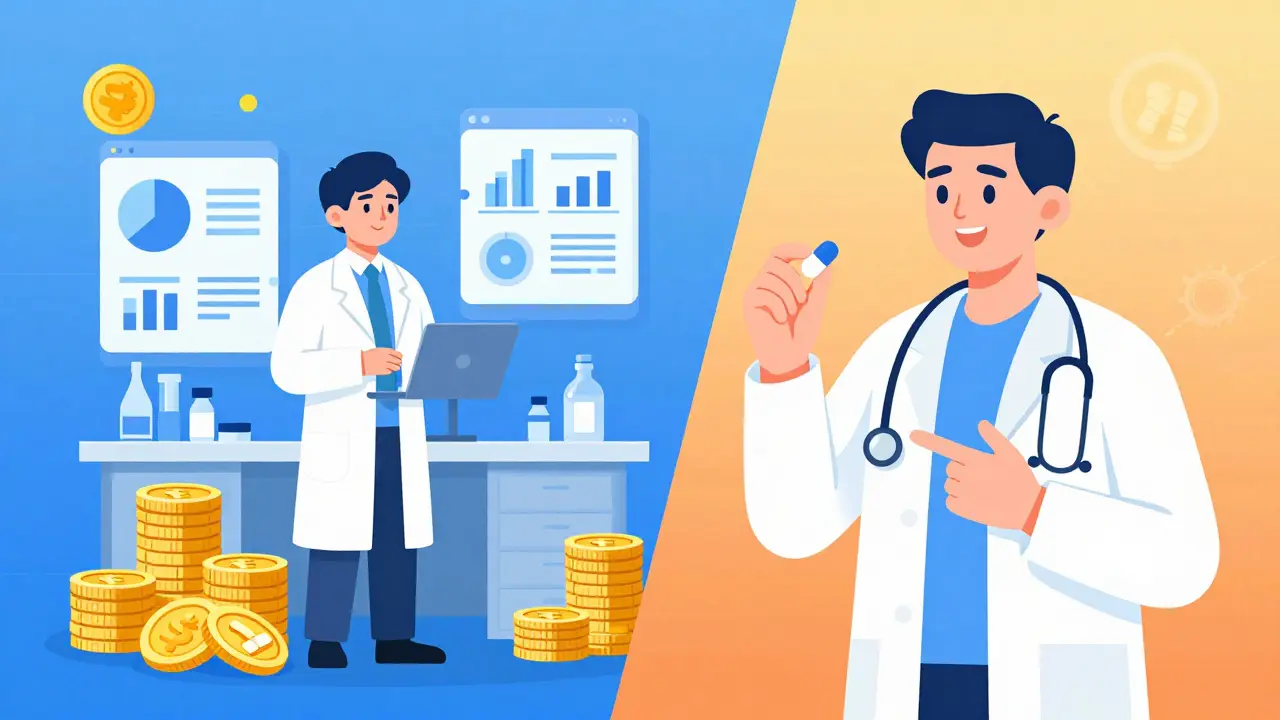
Bringing a generic drug to market isn't about inventing a new molecule; it's about proving you can make a perfect copy. While the brand-name pioneer spends billions on clinical trials to prove a drug works, generic manufacturers use a shortcut. This shortcut, known as the FDA generic drug approval pathway, allows companies to skip the expensive human trials as long as they can show their version is identical in performance to the original. It's the difference between spending $2.6 billion over a decade and spending a few million over a few years.
Quick Guide to Generic Approval
- Core Requirement: Demonstrate bioequivalence to the Reference Listed Drug (RLD).
- Primary Application: The Abbreviated New Drug Application (ANDA).
- Standard Timeline: Roughly 10 months for FDA review after a complete submission.
- Key Legislation: The Hatch-Waxman Act, which balances patent rights with generic competition.
- Cost Advantage: Generic development typically costs $1-5 million per application.
The Foundation: What is an ANDA?
To get a generic drug approved, a company doesn't file a standard New Drug Application (NDA). Instead, they submit an Abbreviated New Drug Application (ANDA). It's called "abbreviated" because the manufacturer doesn't have to provide the original safety and efficacy data. They simply point to the brand-name drug-the Reference Listed Drug (RLD)-and say, "Mine does the exact same thing."
This system was born from the Hatch-Waxman Act of 1984. Before this law, generics had to repeat most of the original trials, which made them too expensive to produce. Hatch-Waxman created a legal bridge: brand-name companies got extended patent protection, and generic companies got a streamlined path to market. Today, this has led to generics making up about 90% of all prescriptions filled in the U.S.
Step-by-Step: The Path from Lab to Pharmacy
Getting an ANDA through the Center for Drug Evaluation and Research (CDER) is a rigorous process. It isn't just about mixing chemicals; it's about proving consistency.
- Selection of the RLD: The company identifies the brand-name drug they want to copy. They check the Orange Book (the official list of approved drug products) to find the RLD and check its patent status.
- Formulation and Development: Scientists create a version of the drug that is pharmaceutically equivalent. This means it has the same active ingredient, strength, dosage form (like a tablet or capsule), and route of administration.
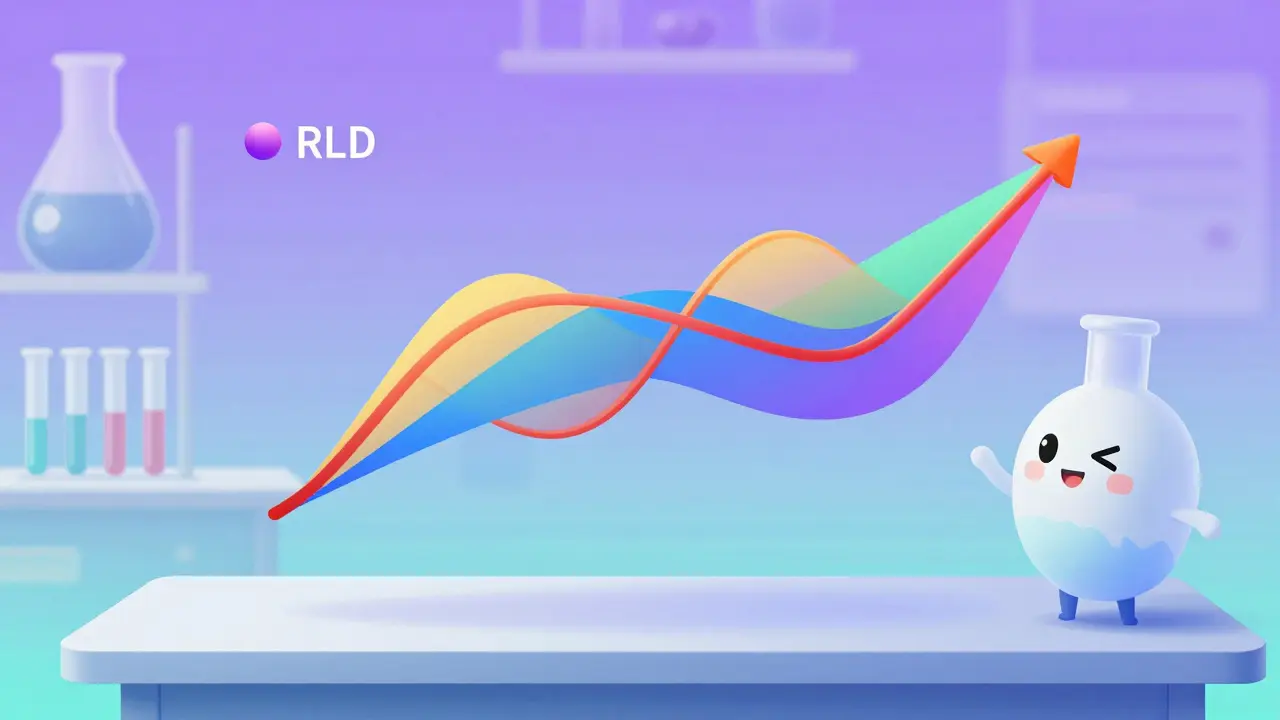
- Bioequivalence Testing: This is the most critical step. The company conducts studies, usually with 24-36 healthy volunteers, to prove that the generic drug delivers the active ingredient into the bloodstream at the same rate and extent as the RLD. If the blood-concentration curves match, the drug is considered bioequivalent.
- CMC Documentation: The company gathers Chemistry, Manufacturing, and Controls (CMC) data. They must prove that the drug is made according to Current Good Manufacturing Practices (cGMP). The FDA doesn't just trust the paperwork; they often inspect the physical factories.
- ANDA Submission: The application is filed electronically using the eCTD format. This dossier is split into modules: administrative info (Module 1), summaries (Module 2), quality data (Module 3), and labeling (Module 5).
- FDA Review Cycle: Once submitted, the FDA spends the first 60 days deciding if the application is complete enough to review. If it passes, the technical review begins. Under the Generic Drug User Fee Amendments (GDUFA), the FDA aims to review most ANDAs within 10 months.
- Final Approval: If the FDA is satisfied, they issue an approval letter. If not, they send a Complete Response Letter (CRL) explaining what needs to be fixed.
Comparing the NDA and ANDA Pathways
If you're deciding between developing a new molecular entity or a generic, the difference in resources is staggering. An NDA is for pioneers; an ANDA is for competitors.
| Feature | New Drug Application (NDA) | Abbreviated New Drug Application (ANDA) |
|---|---|---|
| Primary Goal | Prove safety and efficacy | Prove equivalence to RLD |
| Clinical Trials | Full Phase I, II, and III trials | Bioequivalence studies only |
| Average Cost | ~$2.6 Billion | $1 Million - $5 Million |
| Development Time | 10-15 Years | 3-4 Years |
| Key Risk | Clinical trial failure | Patent litigation / CRLs |
The "Complex Generic" Challenge
Not all generics are created equal. A simple tablet is easy to copy, but an inhaler or a long-acting injectable is a different story. These are called complex generics. Because they rely on complex delivery mechanisms, the FDA often finds that standard bioequivalence tests aren't enough.
Roughly 15% of applications involve these complex products. For these, the FDA has launched the Complex Generic Drug Products Initiative. If you're working on a nasal spray or an ointment, expect a longer road. It's not uncommon for these products to receive multiple Complete Response Letters, sometimes adding millions in costs and years to the timeline because the "how" of the drug delivery is just as important as the "what" of the chemical formula.
Common Pitfalls and Why Applications Fail
About 25% of ANDAs don't make it through the first review cycle. Why? It's rarely because the drug doesn't work; it's usually because the paperwork is messy or the factory is dirty. The most frequent reasons for a CRL include:
- CMC Deficiencies (32%): Inadequate data on how the drug is manufactured or unstable shelf-life data.
- Bioequivalence Flaws (28%): The study design was weak, or the data didn't clearly show the generic matched the RLD.
- Facility Issues (22%): The manufacturing site failed a cGMP inspection.
- Labeling Errors (18%): The generic label didn't match the RLD's approved wording exactly.
The Financial Incentive: 180-Day Exclusivity
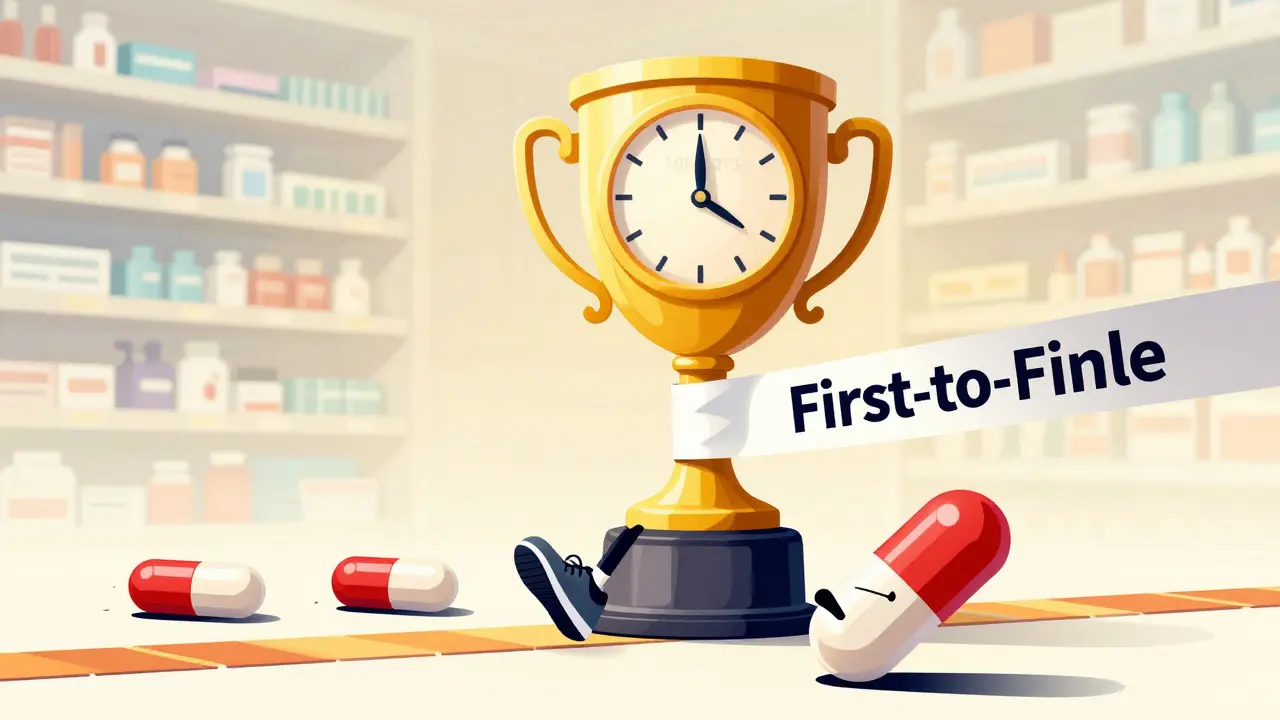
Why race to be the first generic? It's all about the "First-to-File" reward. The first company to successfully challenge a patent or file an ANDA for a drug without a patent can earn 180 days of marketing exclusivity. This means for six months, they are the only generic on the market, allowing them to capture massive market share and set higher prices before other generics flood in. In some cases, this window can generate billions of dollars in revenue.
What is the difference between a generic drug and a biosimilar?
Generics are copies of small-molecule drugs created via chemical synthesis. Biosimilars are copies of large, complex proteins made in living cells. Because biologics are much harder to copy exactly, biosimilars follow a different, more stringent pathway than the ANDA process and are listed in the Purple Book rather than the Orange Book.
How long does the FDA actually take to approve a generic?
Under GDUFA IV, the goal is to review 90% of original ANDAs within 10 months. However, this assumes the application is "complete." If the FDA issues Information Requests (IRs) or a Complete Response Letter, the process can stretch to several years.
Does a generic drug have to have the same inactive ingredients?
No. While the active ingredient must be the same, the inactive ingredients (excipients) can differ. However, these inactive ingredients must be safe and must not interfere with the drug's bioequivalence.
What happens if a company gets a Complete Response Letter (CRL)?
A CRL is not a final rejection. It is a list of deficiencies that the company must address. The manufacturer can either provide more data, conduct new bioequivalence studies, or fix manufacturing site issues and then resubmit the application for further review.
Where can I find if a generic is therapeutically equivalent to a brand drug?
The best resource is the FDA's Orange Book. It provides therapeutic equivalence ratings (like "AB" ratings), which tell pharmacists and doctors if a generic can be substituted for the brand-name drug without a new prescription.
Next Steps for Manufacturers
If you're preparing an application, your first move should be a deep dive into the Orange Book to assess the patent landscape. For those dealing with simple tablets, focus heavily on the CMC section to avoid the common 32% failure rate. If you're tackling a complex generic, start your bioequivalence methodology discussions with the FDA early-don't wait until the submission to find out your testing method isn't acceptable. Building a cross-functional team of regulatory experts and formulation scientists is the only way to navigate this without hitting a wall of CRLs.