
Blood Thinners: What They Are, How They Work, and What to Watch For
When your blood starts clotting too much, it can block arteries or veins—and that’s when blood thinners, medications that reduce the risk of dangerous clots by slowing down clotting processes. Also known as anticoagulants or antiplatelets, they don’t actually make your blood thinner—they just stop it from thickening into dangerous clots. These drugs are prescribed for people with atrial fibrillation, deep vein thrombosis, after heart valve replacements, or those who’ve had a stroke. They’re not optional for some—they’re life-saving.
There are two main kinds. Anticoagulants, like warfarin and rivaroxaban, work by targeting proteins in your blood that help clots form. They take longer to kick in but last longer. Then there are antiplatelets, such as aspirin and clopidogrel, which stop platelets from sticking together. These are often used after stents or heart attacks. The choice isn’t one-size-fits-all. It depends on your condition, age, kidney function, and what other meds you’re taking. For example, if you’re over 65 and have kidney issues, some blood thinners can build up and increase bleeding risk—something doctors check with regular blood tests.
It’s not just about taking the pill. You need to watch for signs of trouble: unusual bruising, nosebleeds that won’t stop, dark or bloody stools, or sudden headaches. These aren’t side effects you ignore. If you’re on warfarin, your diet matters—leafy greens can throw off your dose. If you’re on newer drugs like apixaban, you still can’t just stop them cold. Stopping suddenly can trigger a clot faster than if you’d never taken them. And yes, some painkillers like ibuprofen or naproxen can make bleeding worse when mixed with blood thinners. That’s why checking interactions isn’t optional—it’s essential.
Many people assume blood thinners are simple. They’re not. They require attention. They affect how your body handles everything from surgery to dental work. They interact with supplements like fish oil or ginkgo. They’re especially tricky for older adults, who are more likely to fall—and bleeding inside the skull from a bump can be deadly. That’s why the posts below cover everything from how kidney function changes dosing to how certain drugs can trigger dangerous bleeding or even anemia. You’ll find real-world advice on managing risks, spotting red flags, and talking to your doctor without sounding confused. This isn’t theory. It’s what actually matters when you’re taking one of these drugs every day.
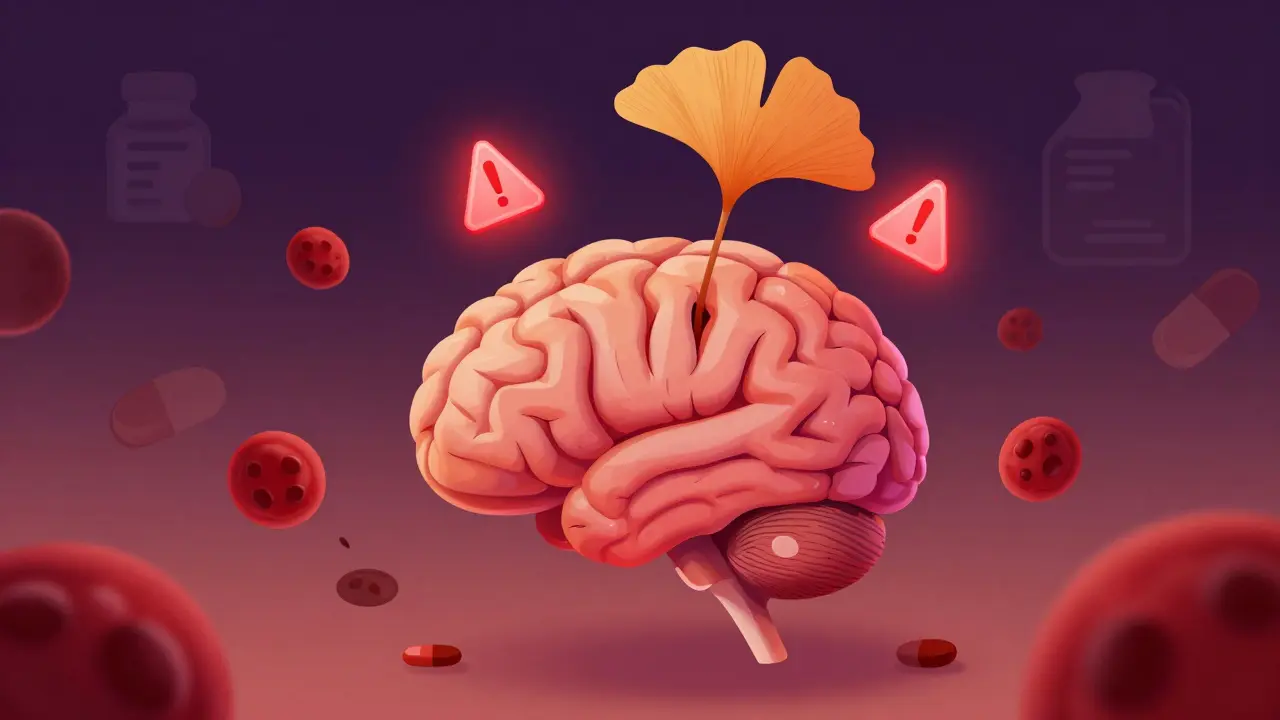
Ginkgo Biloba and Blood Thinners: What You Need to Know Before Taking Both
Ginkgo biloba may increase bleeding risk when taken with blood thinners like warfarin, aspirin, or clopidogrel. Learn which combinations are dangerous, what experts recommend, and how to stay safe.
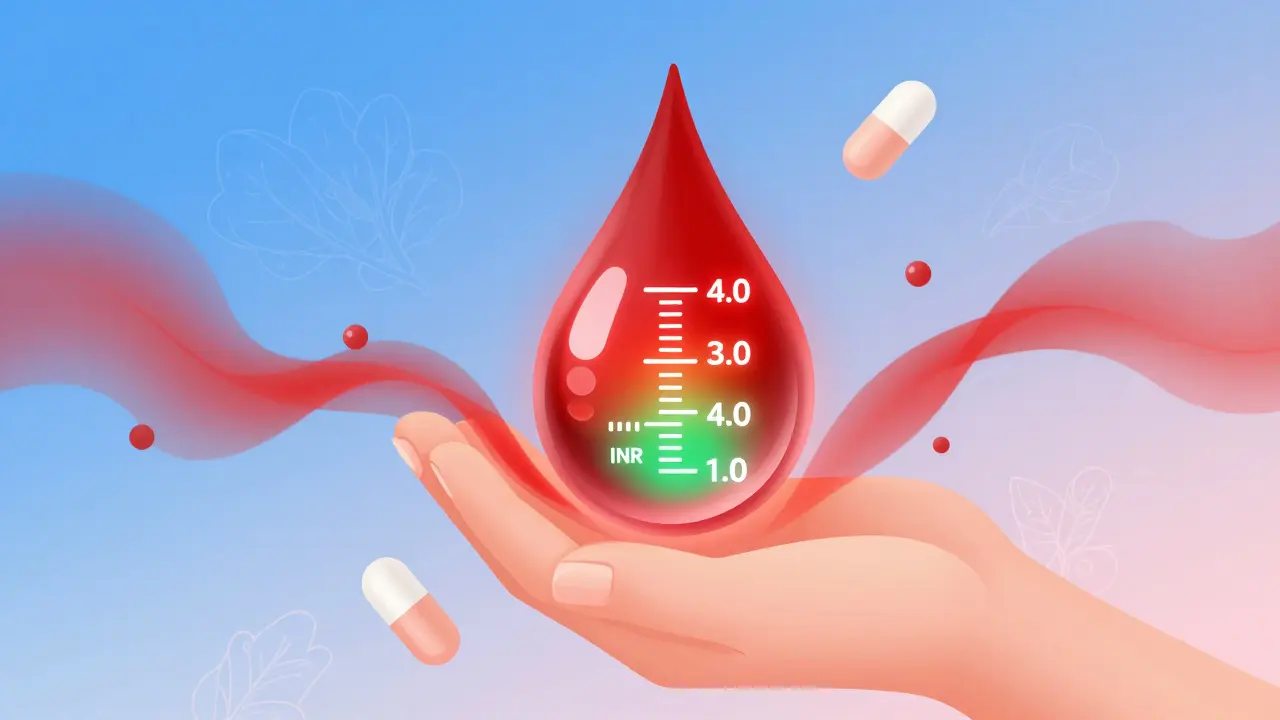
Clotting Disorders and Anticoagulation: Understanding INR, DOACs, and Safety
Understand how INR monitoring and DOACs work for clotting disorders, their safety profiles, cost differences, and real-world trade-offs. Learn when to choose one over the other and what to watch for.

Dental Anesthesia and Anticoagulants: How to Minimize Bleeding Risks Safely
Learn how to safely manage dental anesthesia while taking blood thinners. Discover why stopping anticoagulants is often more dangerous than continuing them, and what steps dentists use to prevent bleeding without compromising your heart health.