
Gallstones: Causes, Symptoms, and What You Can Do
When your bile turns into hard, pebble-like stones inside your gallbladder, a small organ under your liver that stores bile to help digest fat. Also known as cholelithiasis, it’s one of the most common digestive issues affecting millions worldwide. These stones aren’t always painful—but when they get stuck, they can trigger sharp, sudden pain under your right ribcage that lasts for hours.
Gallstones form when there’s too much cholesterol or bilirubin in your bile, or when your gallbladder doesn’t empty properly. You’re more likely to get them if you’re overweight, female, over 40, or have a family history. Rapid weight loss, diabetes, and certain medications like birth control pills can also raise your risk. The real problem isn’t the stones themselves—it’s when they block the bile duct, the tube that carries bile from the gallbladder to the small intestine. This blockage causes inflammation, infection, and intense pain that often feels like a knife twisting inside you. Some people pass them without knowing. Others end up in the ER.
Common signs include nausea, vomiting, fever, yellowing skin or eyes, and pain that radiates to your back or shoulder. If you’ve had one episode, you’re likely to have more. Doctors usually confirm gallstones with an ultrasound—it’s fast, painless, and accurate. Treatment depends on how bad it gets. If you’re not in pain, you might just need to watch and wait. But if you’re having frequent attacks, your doctor may recommend removing the gallbladder. It’s a common surgery with a quick recovery, and you can live fine without it—your liver still makes bile, it just flows straight into your gut.
You won’t find a magic diet to dissolve gallstones overnight, but eating healthy, staying active, and avoiding crash diets can help prevent them. Some people try herbal remedies or apple cider vinegar, but there’s no solid proof they work. What does work? Knowing the signs early and talking to your doctor before things get worse.
Below, you’ll find real guides on medications and treatments that relate to gallbladder health—from antibiotics used after infection to drugs that affect bile flow. Some posts talk about how other conditions like autoimmune disorders or liver issues can overlap with gallstone risks. Others cover how to safely manage pain or avoid complications. Whether you’re dealing with symptoms right now or just want to understand what’s going on, these articles give you the facts without the fluff.
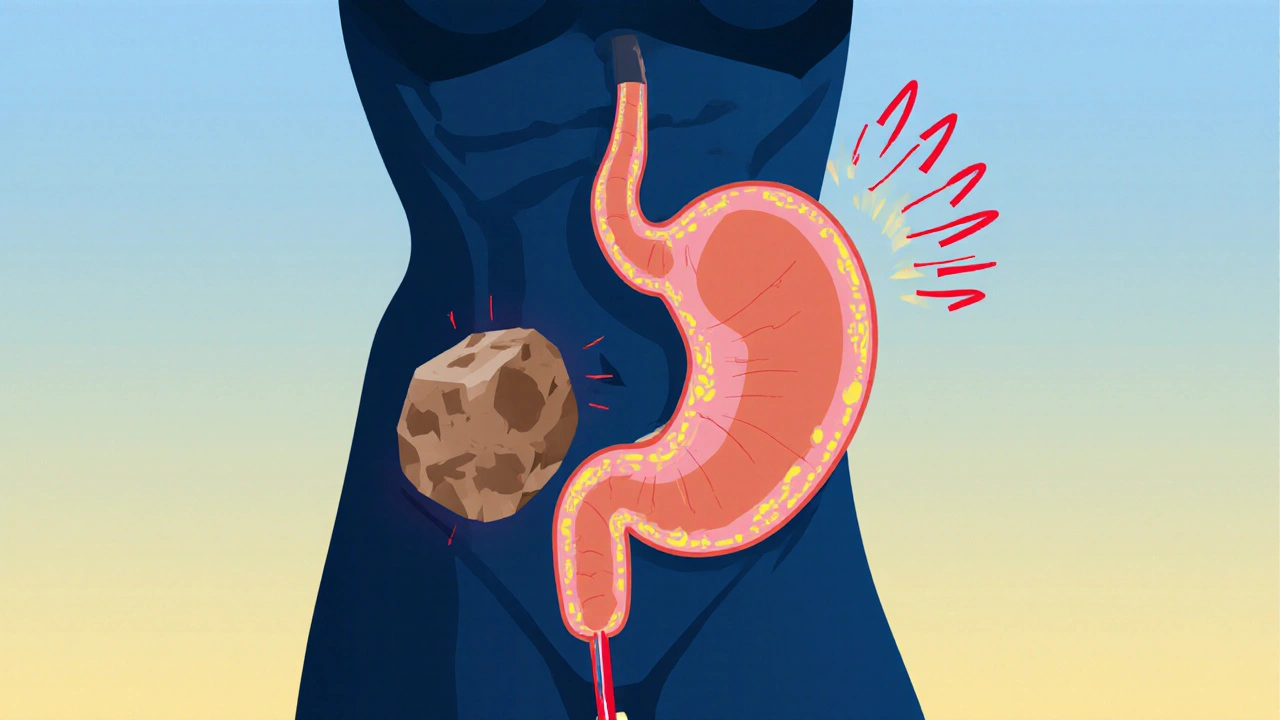
Gallstones Explained: Biliary Colic, Cholecystitis, and When Surgery Is Necessary
Gallstones affect 1 in 10 adults. Most never know it-until pain hits. Learn how biliary colic turns into cholecystitis, why surgery is the only reliable cure, and what recovery really looks like.