
Category: Medications - Page 5
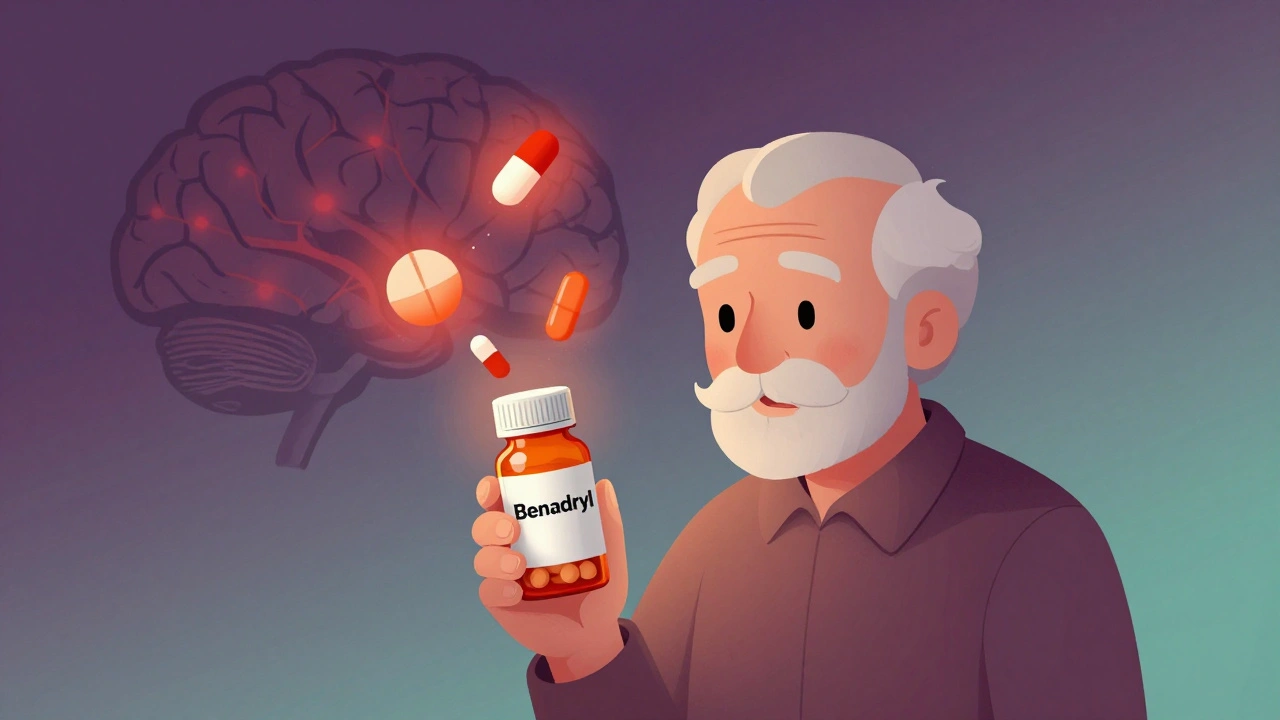
Cumulative Anticholinergic Burden: How Common Antihistamines Combine Dangerously with Other Medications
Many older adults unknowingly take multiple medications that block acetylcholine, leading to memory loss, falls, and dementia risk. First-generation antihistamines like Benadryl are a major contributor-especially when combined with other drugs. Learn how to spot the danger and switch to safer options.
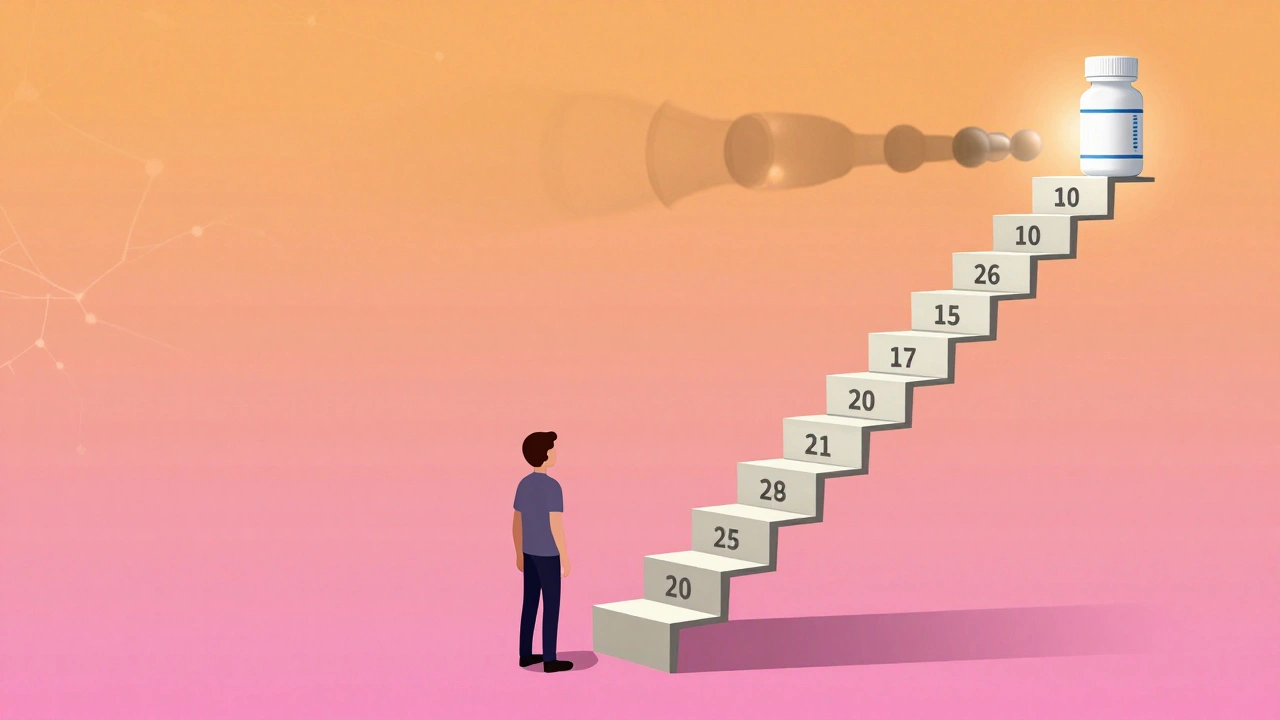
Opioid Tolerance: Why Your Pain Medication Dose Keeps Going Up
Opioid tolerance means your body needs higher doses for the same pain relief. It’s not addiction - but it can lead to dangerous outcomes if not managed carefully. Learn why doses increase and how to stay safe.
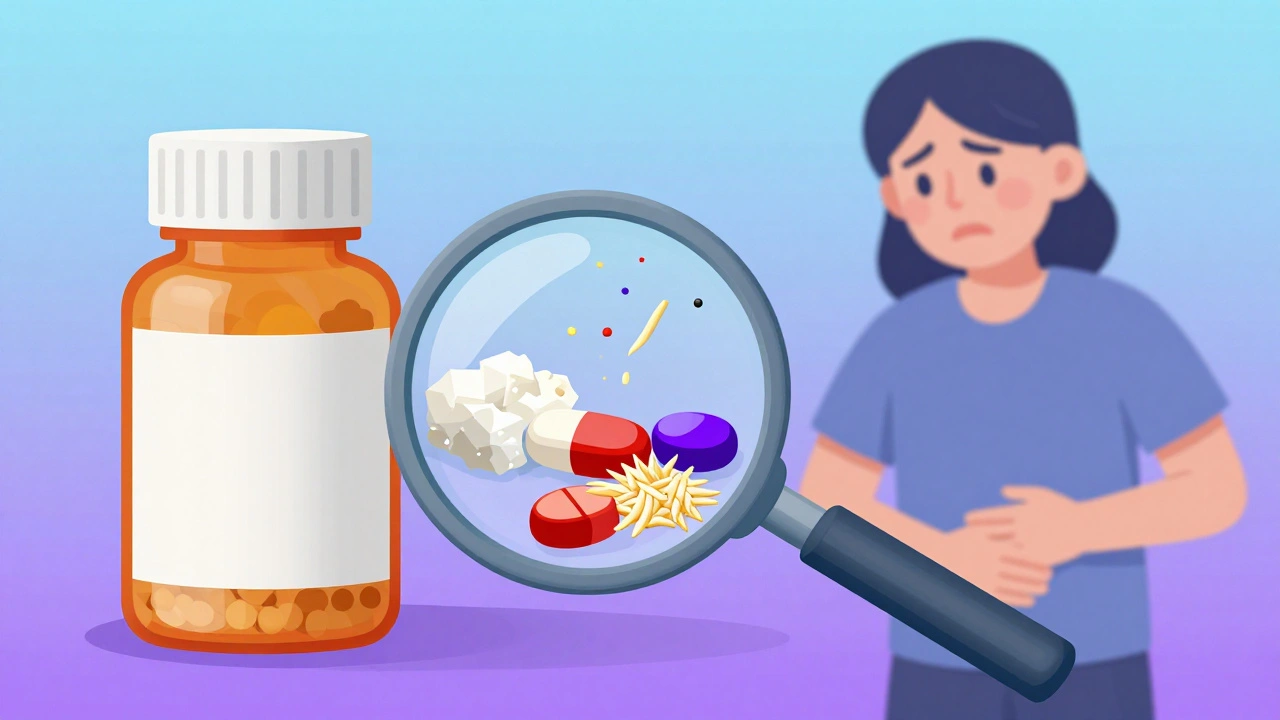
Inactive Ingredients in Generic Medications: What You Need to Know
Generic medications save money but may contain different inactive ingredients that can trigger allergies or side effects. Learn what's really in your pills and how to protect yourself.
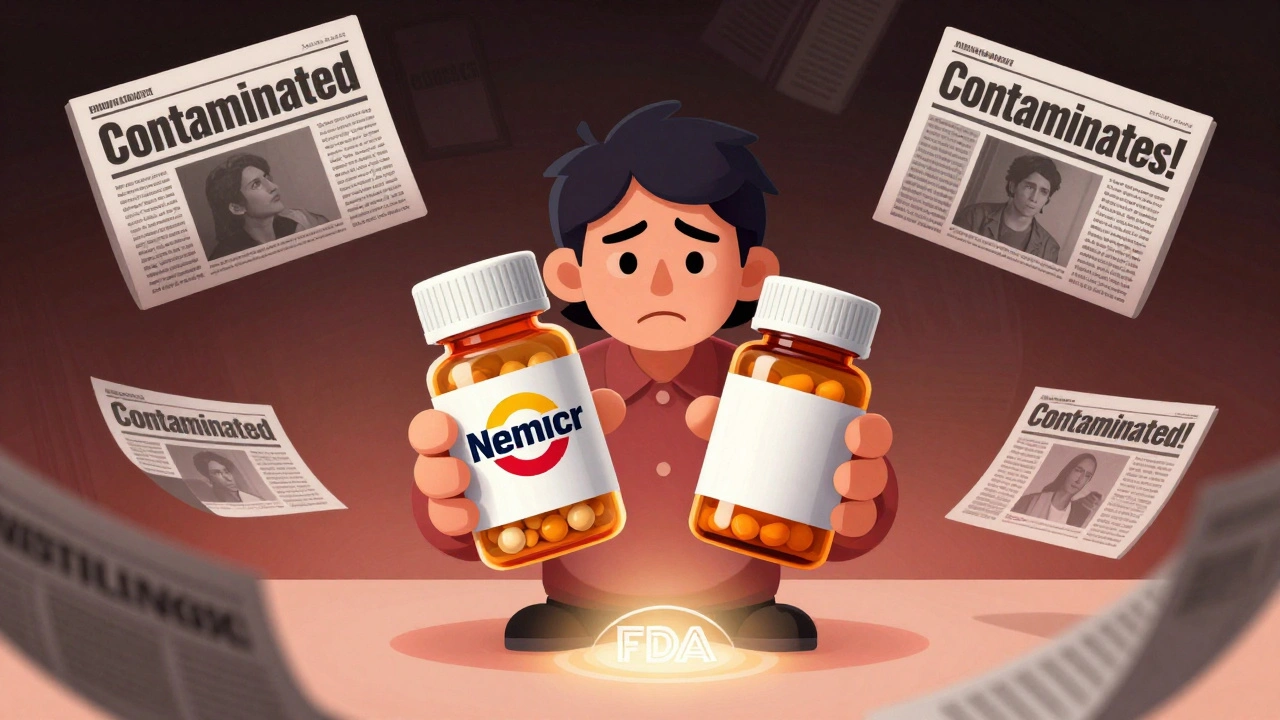
How Media Coverage Undermines Confidence in Generic Drugs
Media coverage often fuels public mistrust in generic drugs despite scientific proof of their safety and effectiveness. Learn how sensational headlines, funding biases, and lack of education shape patient choices-and what can be done to rebuild confidence.

European Generic Markets: Regulatory Approaches Across the EU in 2025
The EU's generic drug market is undergoing major regulatory changes in 2025, with new approval pathways, faster market entry rules, and stricter supply obligations. Learn how the system works-and who wins and loses under the reforms.
FDA Boxed Warnings Explained: What You Need to Know Before Taking High-Risk Medications
Boxed warnings on prescription drugs signal serious, potentially life-threatening risks. Learn what they mean, which common medications carry them, and how to talk to your doctor about them safely.
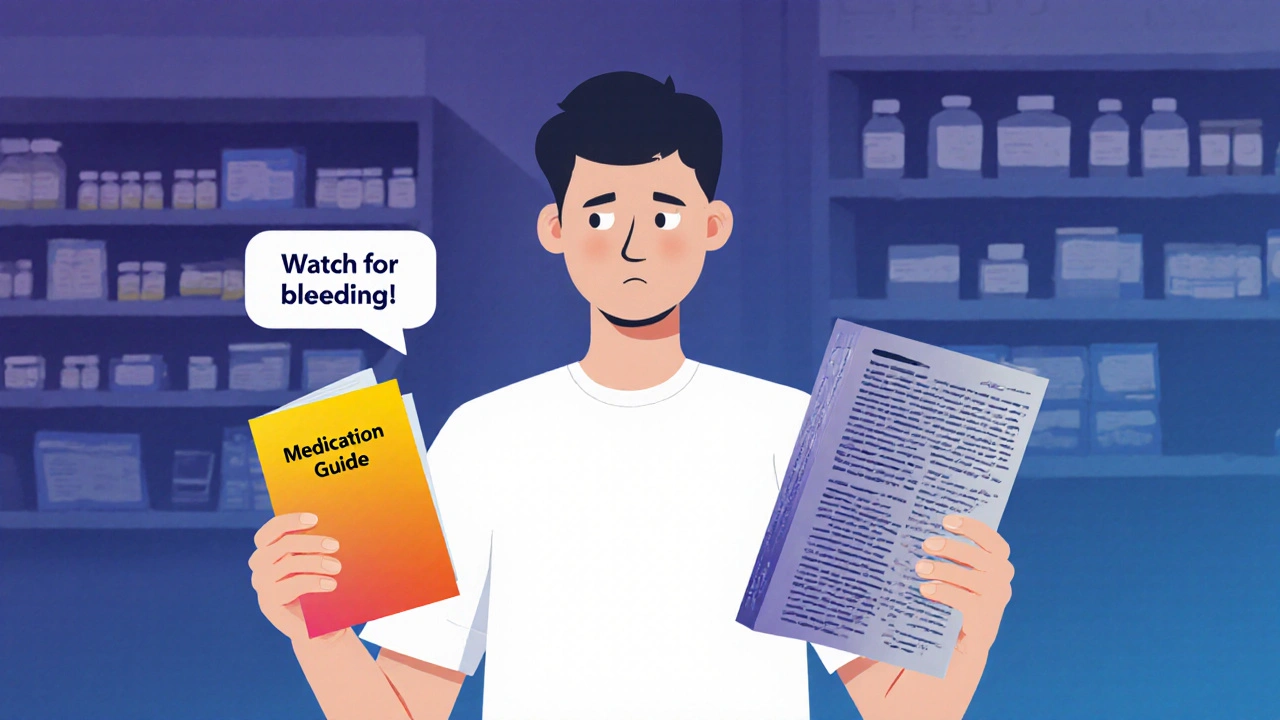
Medication Guides vs Package Inserts: Where to Find Side Effect Details
Learn where to find accurate side effect information for your prescription drugs. Understand the difference between FDA-required Medication Guides and technical Package Inserts - and how to use both to stay safe.

How Medicines Work and When They're Safe to Use
Learn how medicines interact with your body at a molecular level and why understanding their mechanism of action is essential for safe, effective use. Avoid dangerous side effects by knowing what your drugs actually do.
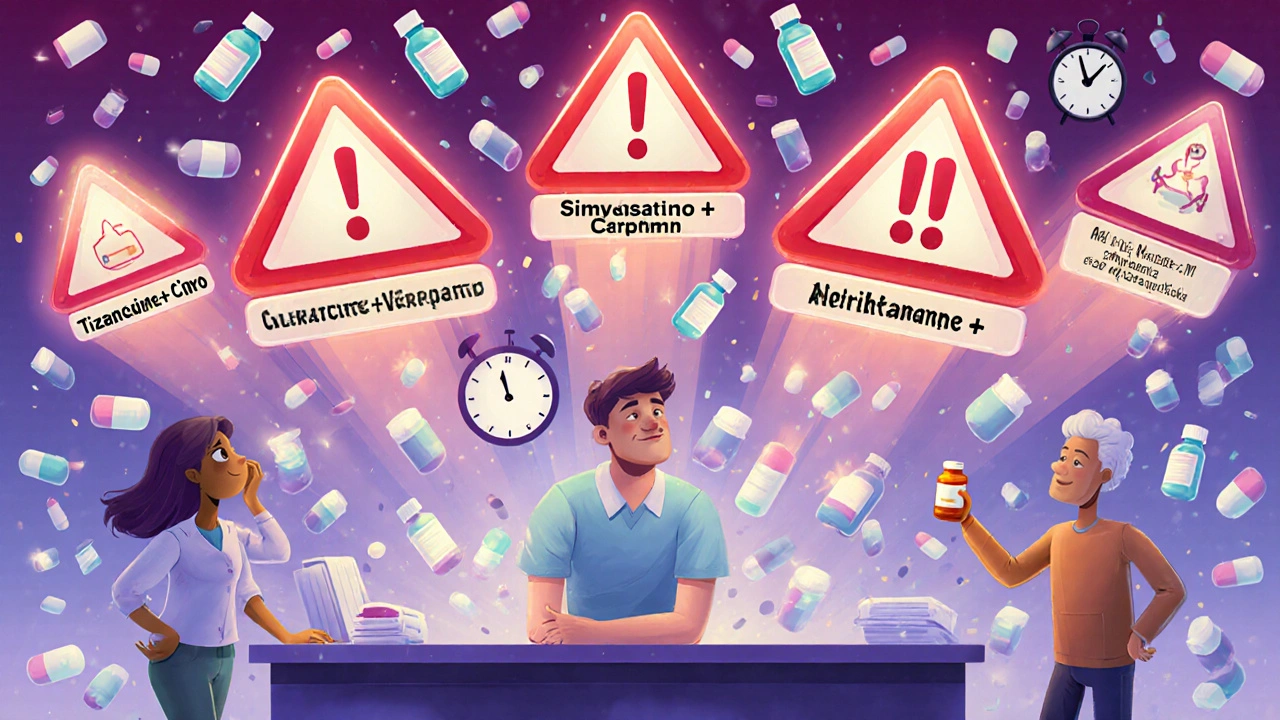
Red Flags in Drug Interactions: 5 Deadly Combinations Your Pharmacist Must Flag
Learn the five deadliest drug combinations that can cause hospitalization or death-and why pharmacists often miss them. Get practical steps to protect yourself from dangerous medication interactions.

Soy Products and Thyroid Medications: Best Practices for Absorption
Soy products can reduce levothyroxine absorption by up to 30%. Learn the best timing practices to avoid interference without giving up soy. Evidence-based advice for hypothyroid patients.