
Category: Medications - Page 3

Vitamin D and Statins: What the Research Really Says About Their Interaction
Vitamin D doesn't prevent statin muscle pain, despite popular belief. Research shows no benefit, but maintaining adequate levels is still important for overall health. Here's what the science says.
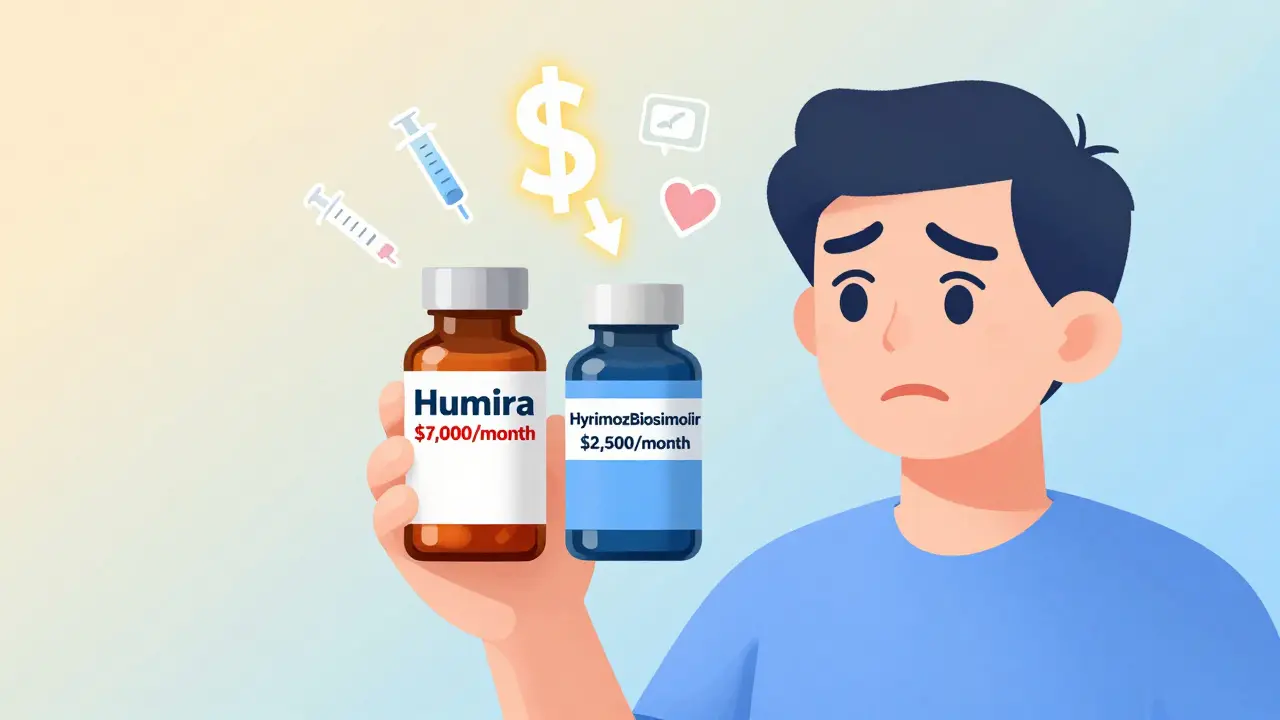
Generics vs Brand Biologics: Real Cost Differences in 2026
Biosimilars can cut biologic drug costs by up to 80%, yet most patients still pay full price. Learn the real savings, why adoption is slow, and how to switch in 2026.
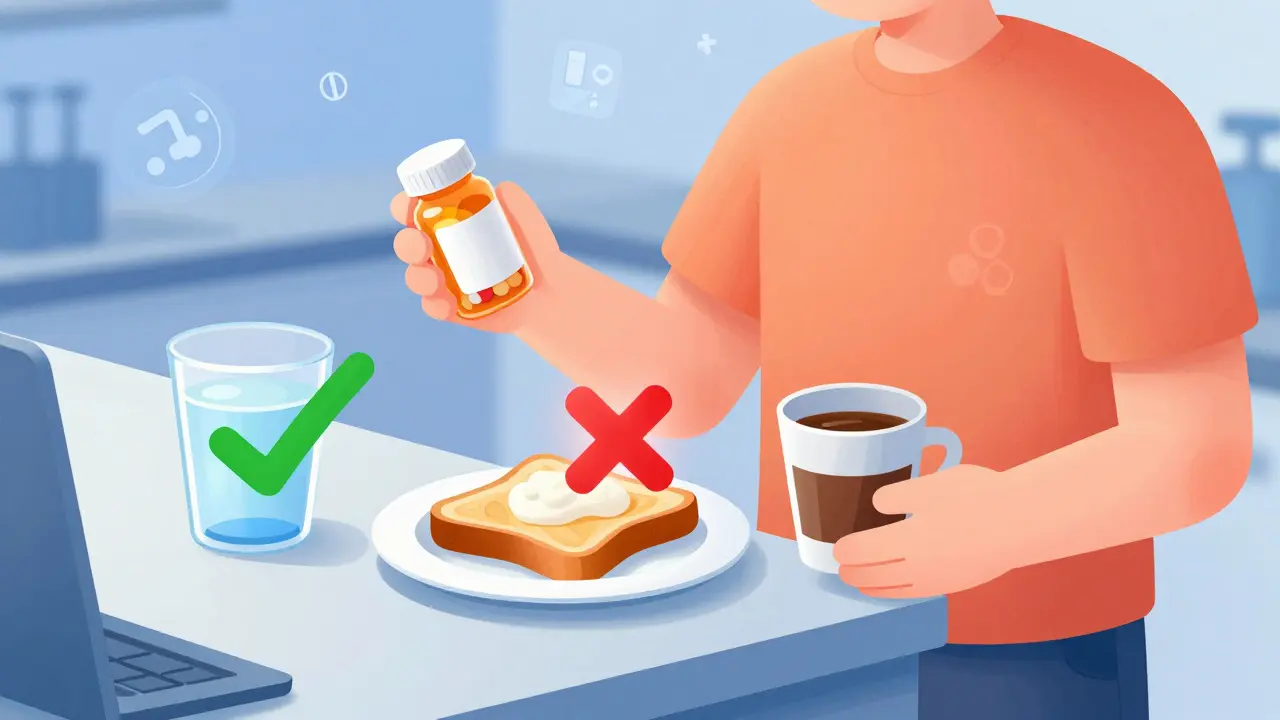
Taking Medications with Food: When to Take Pills for Best Absorption
Learn how food affects medication absorption and when to take pills for maximum effectiveness. Avoid treatment failure with clear timing tips for common drugs like levothyroxine, antibiotics, and diabetes meds.

Meclizine for Vertigo: What You Need to Know About Side Effects and Safety
Meclizine helps with vertigo and motion sickness, but it causes drowsiness and anticholinergic side effects. Learn when it’s safe, who should avoid it, and what alternatives work better long-term.

Semaglutide for Weight Loss: How Ozempic and Wegovy Really Work
Semaglutide (Ozempic and Wegovy) helps people lose up to 15% of body weight by reducing appetite and slowing digestion. Learn how it works, who it’s for, the real side effects, and why weight regain is common after stopping.
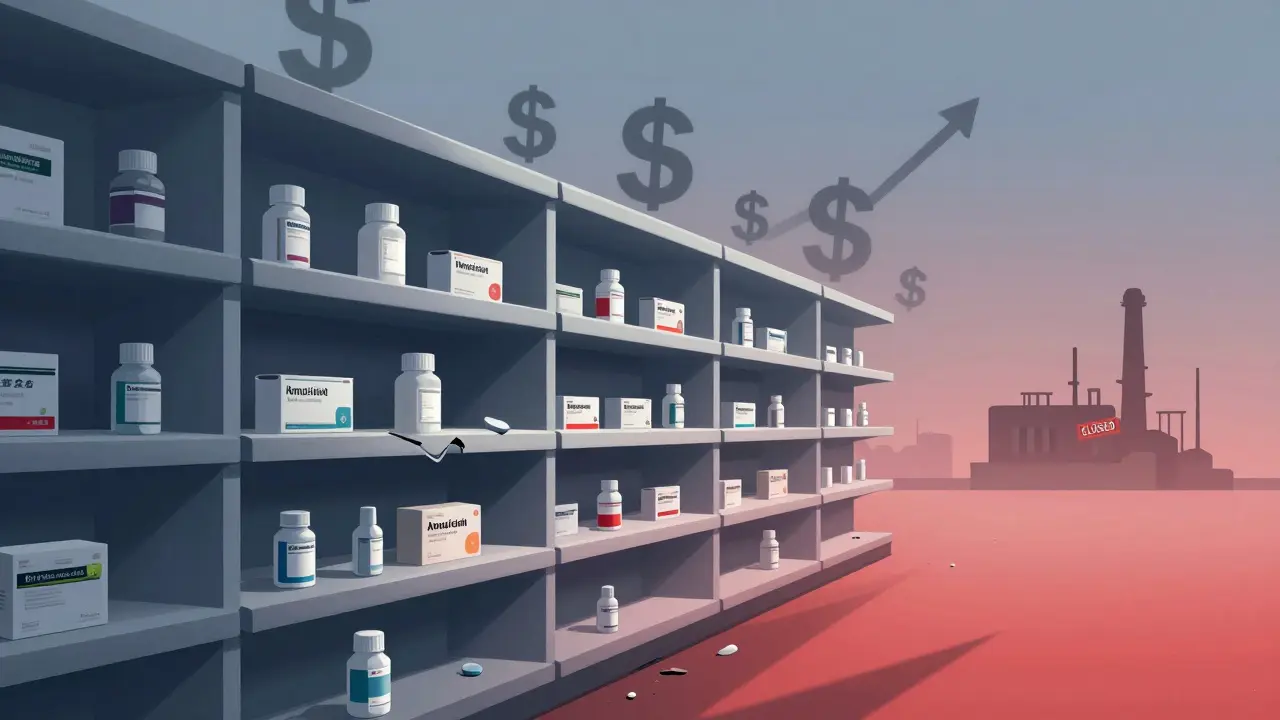
Pricing Pressure and Shortages: How Manufacturer Financial Strain Is Driving Drug Shortages in 2026
Pricing pressure and rising production costs are forcing manufacturers to stop making generic drugs, leading to widespread shortages. Hospitals and patients pay the price as life-saving medications disappear.

How to Use Text Message Reminders for Medication Schedules
Text message reminders can significantly improve medication adherence for chronic conditions. Learn how to set up effective, personalized reminders that work-without apps or tech overload.

How to Track Adherence with Medication Lists and Logs: Simple, Proven Methods That Work
Learn simple, proven ways to track medication adherence using logs and modern tools. Discover what actually works-and what doesn’t-based on real data from clinics and patients.

Restless Leg Syndrome: Why Dopaminergic Medications Are No Longer First-Line and What Works Better
Dopaminergic medications for restless leg syndrome are no longer first-line due to high risk of augmentation. Learn why alpha-2-delta ligands like gabapentin enacarbil are now preferred and what lifestyle changes can help.
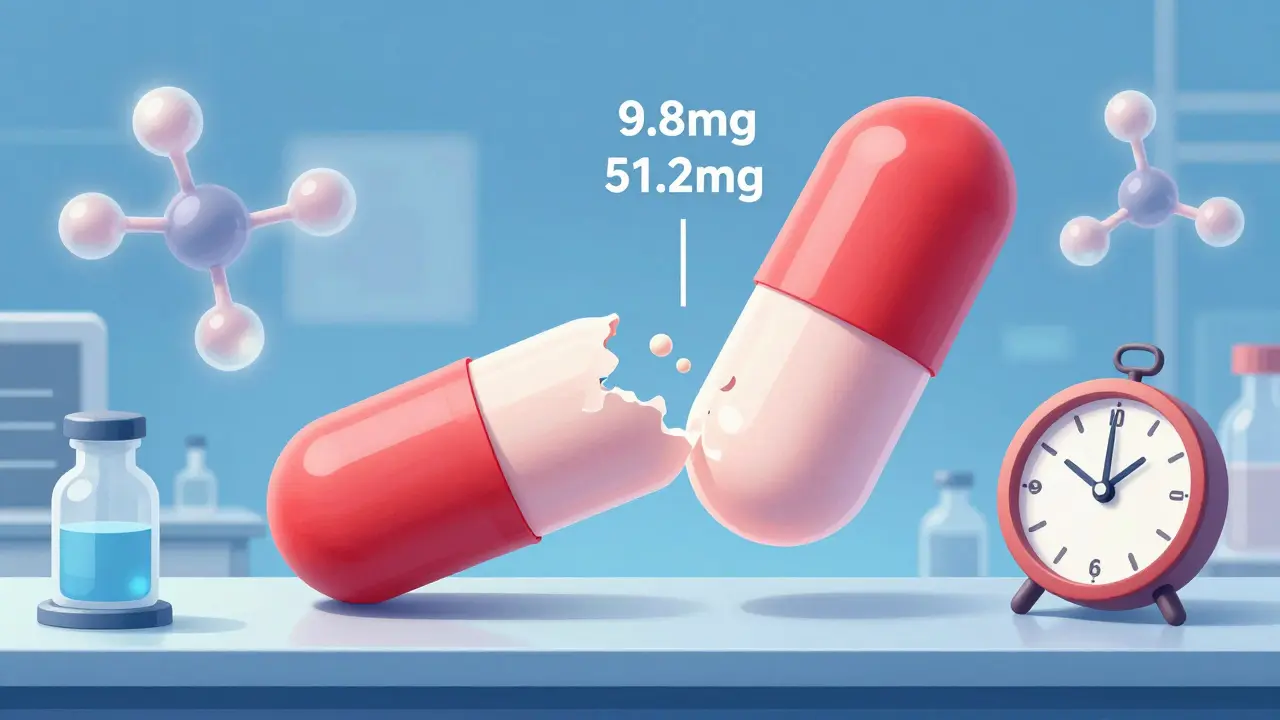
How Formulation Patents on Drug Combinations Extend Pharmaceutical Exclusivity
Formulation patents on drug combinations let pharmaceutical companies extend market exclusivity by protecting how drugs are mixed, dosed, or delivered - not just what they are. This strategy delays generics and boosts profits, but faces growing regulatory pushback.